
The Effects of Pythagorean Self-Awareness Intervention on Young Adolescents in Primary School. Α One-Arm Clinical Trial
Orsalia Gerakini1, Marilena Panagiotou1, Ioanna-Maria Velegraki1, Flora Bacopoulou1,2,3, Maria Charalampopoulou1,4, Panagiotis Sideris5, George P. Chrousos2,3, Christina Darviri1*
1Postgraduate Course of Stress Management and Health Promotion, School of Medicine, National and Kapodistrian University of Athens, Athens, Greece
2Center for Adolescent Medicine and UNESCO Chair on Adolescent Health Care, First Department of Pediatrics, School of Medicine, National and Kapodistrian University of Athens, Aghia Sophia Children’s Hospital, 1 Thivon Street, Athens, Greece
3University Research Institute of Maternal and Child Health and Precision Medicine, and UNESCO Chair on Adolescent Health Care, National and Kapodistrian University of Athens, Aghia Sophia Children's Hospital, 8 Livadias Street, Athens, Greece
4 First Department of Propaedeutic Surgery, Hippokration Hospital, Athens, Medical School, Athens, Greece
5Internal Medicine Department, 417 Share Fund Hospital, Athens, Greece
*Corresponding Author: Christina Darviri, Postgraduate Course of Stress Management and Health Promotion, School of Medicine, National and Kapodistrian University of Athens, Athens, Greece.
Received: 29 November 2025; Accepted: 05 December 2025; Published: 12 December 2025
Article Information
Citation: Orsalia Gerakini, Marilena Panagiotou, Ioanna-Maria Velegraki, Flora Bacopoulou, Maria Charalampopoulou, Panagiotis Sideris, George P. Chrousos, Christina Darviri. The Effects of Pythagorean Self-Awareness Intervention on Young Adolescents in Primary School. Α One-Arm Clinical Trial. Journal of Pediatrics, Perinatology and Child Health. 9 (2025): 193-200.
View / Download Pdf Share at FacebookAbstract
Objectives: Stress during the critical developmental phase of adolescence could place youth at risk for adverse health outcomes. The purpose of this trial was to evaluate the effects of a novel cognitive-based stress management intervention named Pythagorean Self-Awareness Intervention (PSAI) on stress (primary outcome measure), anxiety, quality of life, sleep quality, eating behavior and bullying behavior (secondary outcomes measures), of young adolescents. In this one arm clinical trial, students of the 6th grade in a primary school participated in the PSAI for 8 weeks.
Methods: Self-report questionnaires and hair cortisol concentrations were used for the evaluation of the aforementioned variables at baseline and at the end of the intervention. Descriptive and inferential statistic methods were used for the statistical analysis.
Results: A total of 39pupils with mean age 12 (21 boys and 18 girls) participated in the study. Following the intervention, adolescents experienced statistically significant reduction in stress (p=0.00), state anxiety (p=0.03), bullying (PRQBully p=0.00, PRQVictim, p<0.001, PRQ Prosocial p=0.00), and increase in healthy lifestyle patterns (24-hour routine, physical exercise, bedtime, nightmares, Mediterranean diet) from baseline. No statistically significant difference was reported regarding trait anxiety. There was also a statistically significant decrease in body mass index (p=0.00) and an increase in median cortisol hair concentration (p=0.00) post-intervention.
Conclusions: The PSAI was a feasible and effective stress management and health promotion method for young adolescents in the school setting. Future large randomized controlled trials with longer follow-up are needed to verify these findings.
Keywords
<p>Self-Awareness; Pythagorean self-awareness intervention; Stress; Adolescence; Cognitive intervention</p>
Article Details
1. Introduction
Adolescence is among the critical transitional periods of human development characterized by continuous growth, heightened brain plasticity and increased vulnerability to stressors. The most significant stressors during this period are physical, emotional and cognitive changes due to puberty, daily hassles, dysfunctional parent and peer relationships, traumatic experiences, maladaptive family environment and socioeconomic problems [1]. Although stress is a protective mechanism, chronic exposure to stressors and limitation of coping resources may trigger emotional and behavioral issues. In more detail, chronic stress may cause anxiety and/or depressive feelings leading to a vicious circle of sedentary life habits, limited physical activity [2] emotional eating and increased consumption of comfort unhealthy food [3] as well as sleep disturbances [4]. Among the aforementioned stressors, bullying is a common stressor during adolescence. Victims experience psychological problems, an increased number of common physical health ailments and psychosomatic symptoms [5]. In addition, bullying has been associated with epigenetic modifications of the HPA axis response to stressors and contributes to poorer psychological and physical health outcomes throughout adulthood [6].
On the grounds of all aforementioned issues, stress management and health promotion interventions are required to help adolescents cope with stress and its consequences. The implementation of cognitive interventions and stress management techniques seem to support adolescents reduce stress and anxiety as well as improve emotional well-being [7]. Mindfulness Based Interventions (MBIs) are also an increasingly popular method among children and adolescents which effectively reduces stress and improves the behavioral, cognitive and mental health outcomes [8].
Regarding health educational programs, the focus is mainly on increasing physical activity (PA) [9] as well as adopting a healthy diet with emphasis placed on the Mediterranean diet (MD) [10]. Healthy diet could positively affect psychological well-being and brain maturation during adolescence [11]. PA could help the adolescents to improve various life skillsand satisfy basic psychological needs which result in overall mental health and behavior improvement [9].
Also, prevention of bullying is a common goal of interventions in the adolescent community as it is a stressor with sort and long-lasting consequences [8]. An updated and extensive systematic review and meta-analysis of the effectiveness of bullying prevention programs found that school-based anti-bullying programs are effective in reducing both school-bullying perpetration and victimization [12].
However, there is paucity of research in adolescents studying the effects of holistic stress management interventions (that combine stress perception, cognitive and daily routine interventions) on mental health using biological indices such as hair cortisol concentration (HCC). HCC is a valid biomarker of chronic stress that is not influenced by acute stress and estimates the cumulative levels of cortisol over extended periods of time before sampling. The non-invasive sampling and the easy sample storage at room temperature facilitate research in children and adolescents within a school context [13].
The present study aimed at evaluating the effects of a recently introduced cognitive-based stress management technique, the Pythagorean Self Awareness Intervention (PSAI) in young adolescents. The PSAI has demonstrated significant improvements in stress levels, psychological and complex mental processes and coping skills in healthy freshmen students [14], as well as positive effects on 4th grade students’ emotional eating and psychological state [15].
Based on the necessity of reducing stress during adolescence and establishing a healthy lifestyle, the grounds of our hypothesis was that PSAI jointly with the implementation of healthy daily habits could support young adolescents cope with stress (primary outcome measure), increase control over their behavior and relationships (reduce bullying), improve diet and sleep and increase their physical activity (secondary outcomes measures).
2. Methodology
2.1. Study Design
This one arm clinical trial-pilot study was held at a primary school of Athens in Greece from February until June 2019. The study protocol was approved by the School of Medicine, National and Kapodistrian University of Athens (protocol number 1718038002/30/07/2018) and was consistent with the Declaration of Helsinki. The trial also received approval by the Institute of Educational Policy (protocol number 12413/09-11-2018) and it is registered in the Clinicaltrial.gov under identification number: NCT04824326.
2.2. Participants
Pupils were considered eligible to participate in the study if they attended the 6th Grade of primary education. The exclusion criteria were as follows: a. absence of parental informed written consent, b. diagnosis of mental health problem, c. presence of any disease that could influence glucocorticoid levels, d. pharmacological treatment that could influence cortisol levels and e. practice of other stress management techniques. Information about the study's proceedings and purposes was given to all students and their parents.
Pythagorean Self-Awareness Intervention for Children and Adolescents (PSAI-CA) PSAI-CA is an innovative holistic “cognitive reconstruction” technique of stress management and health education designed according to the new concept of Evidenced Based Lifestyle Medicine [16] and World Health Organization data for adolescents [17]. The intervention is based on the principles of the teaching of the ancient Ionian Greek philosopher Pythagoras of Samos (c. 570 e c. 495 BCE). According to the Pythagoreans, the acquisition of self-awareness and eudemonia is achieved through constant introspection and self-control. This system is not just a theoretical construction but a holistic approach that includes a series of mental and physical exercises along with healthy habits that must be applied on a daily basis. The first attempt to apply the Pythagorean Self-Awareness to children and adolescents was made by Sakellariou [18] who proposed and successfully piloted an educational system named “A new method of character training”. This system sets a basic framework for behavior on the basis of experiential learning and weekly evaluation of the implementation of 12 virtues. These virtues comprise of: 1) fairness, 2) truthfulness, 3) charity and spirituality, 4) decent behavior, 5) discipline and respect for the law, 6) order and accuracy, 7) industriousness, 8) cooperation, 9) contribution to the general good, 10) courage, 11) cleanliness and perfect appearance and 12) temperance [18].
Inspired by the above, the PSAI-CA was developed and introduced. More specifically, the PSAI-CA is primarily a spiritual process in which the individual is called to perform a deep introspection of the self, first by using declarative memory to remember the events of the day and then by using working memory for performance of three cognitive processes that form the core of the technique. The first process includes sequential recall of daily events. In order to facilitate recall, events were categorized as follows: diet, psychical activity, sleep and personal contacts. The second process includes the selection of the most important events and the accompanying details, thoughts and emotions. The third process refers to the critical appraisal of the performed actions by the adolescent as he/she was an independent inside observer.
The main feature of the technique that differentiates it from others is that the adolescent takes the role of active internal observer who evaluates his/her actions based on the 12 virtues moral framework and the rules of healthy living that have been taught. This leads to self-awareness and self-control through the acquisition of an internal rather than an external control center. During this internal dialogue, it is especially important for the individual to distance himself/herself from his/her own feelings and concentrate on his/her actions. It is noted that the internal observer does not aim to blame neither create guilt. On the contrary, the technique activates the self-praise for the right choices through negative and positive self-reinforcement and the most important leads the adolescent to take action to modify the dysfunctional behavior. Finally, through this procedure adolescent achieves a moral cognitive reconstruction as dictated by the 12 virtues that leads to self-improvement [19].
The technique was required to be practiced twice per day (in the morning and at bedtime). In the morning practice, the individual was asked to set specific goals to be achieved after brief recapitulation of the previous night’s results, without repeating the procedure in detail. The success of the technique is based on its daily application that ultimately ensures the activation and training of the internal observer.
The technique evolved into five successive steps, as described in details in Table 1.
|
Step 1: |
Sit next to your bed, breathe diaphragmatically for 10 minutes and read the 12 virtues. |
|
Step 2: |
Recall every event of your day, in the exact sequence it happened. |
|
Step 3: |
Visualize yourself as if you were watching a video starring yourself. To enhance the recall, check the following categories: diet, physical activity, interpersonal relationships, sleep, pre-sleep activities (like blue screen use) and planned activities from the morning practice. |
|
Step 4: |
Evaluate your thoughts, feelings and actions by asking yourself: “What have I done wrong?”, “What have I done right?”, “What have I omitted that I ought to have done?” Endorse or disapprove your actions according to the 12 virtues and the instructions for a healthy lifestyle you were taught. Focus on three positive actions and reward yourself. |
|
Step 5: |
Once you are awake, quickly summarize the previous night’s conclusions and set goals for the upcoming day. |
Table 1: Steps of PSAI-CA implementation
2.3. PSAI-CA Implementation
The intervention took place in the school program context with the presence of the class teacher. A total of 8 sessions were delivered by OG (MSc in stress management) and CD (Professor of Health Promotion-Prevention and Epidemiology, expert in stress science and management).
During the first session, participants received information about distress and its effects on the adolescents’ health. They discussed their own experience regarding stress symptoms. They were also informed briefly of healthy lifestyle patterns and specifically of the Mediterranean diet, physical activity requirements (12.000 steps per day), healthy routine in meals and sleep and as such they were encouraged to adopt these habits. Pedometers were given as an incentive for physical activity. In the second session, the intervention group was introduced to the PSAI-CA. In addition, the pupils participated in a biofeedback-assisted diaphragmatic breathing training and PSAI-CA implementation.
During the following six sessions, the 12 virtues framework and the way they relate to everyday life, healthy lifestyle and interpersonal relationships were analyzed. Also, information based on current research had been given in detail about Mediterranean diet and proper hydration, exercise (12.000 steps per day), healthy sleep routine excessive use of blue screens, bullying and their effect on adolescents’ health.
Each session lasted 90 minutes and was divided into two parts. During the first part, the participants shared their experience derived from the implementation of the technique and possible queries were discussed and clarified. In the second part, the stress specialists presented the topic of the session in an interactive way, utilizing the students' experience. In order to assess the compliance to the technique and the degree to which the above health behavior took place, the participants had to keep weekly diaries and submit them to the researchers in each session.
At baseline and after the final session, participants were assessed for hair cortisol concentrations and via self-report questionnaires, as follows:
- • Socio-Demographic Data: This included age, gender, number of siblings and number of family members.
- Anthropometric Data: Body weight was recorded to the nearest 0.1kg with the use of a digital calibrated scale, with participants standing barefoot in the minimum clothing possible. Height was measured to the nearest 1 cm with participants standing barefoot with the use of a stadiometer.
- • Stress in Children (SiC) Questionnaire: This is a self-report psychometric instrument that consists of 21 items measuring physical, emotional and symptomatic aspects of stress in children. Higher score indicates higher levels of stress [20]. The internal consistency for the SiC questionnaire was satisfactory before and after the intervention (SiCpre=0.86, SiCpost=0.84).
- • State–Trait Anxiety in Children (STAIC): This is a “how-I-feel” questionnaire consisting of two forms of 20 items each which was designed as a research tool for the study of anxiety in children aged 9 to 12 years old. Higher score indicates higher levels of anxiety [21]. The internal consistency for the State Anxiety and the Trait Anxiety was satisfactory before and after the program (State Anxiety pre=0.85, State Anxiety post=0.83, and Trait Anxiety pre=0.80, Trait Anxiety post=0.84).
- • KIDMED Index: This is the Mediterranean diet quality index for children and adolescents validated in Greek, which consists of 16 binary items(yes/no) which measure adherence to Mediterranean diet [22]. Internal consistency was satisfactory before and after the intervention (KIDMEDpre=0.82, KIDMEDpost=0.87).
- • Healthy Lifestyle and Personal Control Questionnaire adapted for Children (HLPCQ): The HLPCQ assesses adherence to healthy lifestyle habits (physical exercise, dietary habits, sleep, personal relations etc.) on a daily frequency. For the purpose of this study the instrument was adapted to children. Respondents were asked to give their answers ranging from 1 “never” to 4 “very often”.Higher score indicates healthier lifestyle [23].
- • Sleep: Study participants were asked about bedtime and frequency of nightmares with a set of questions. Mean scores were calculated.
- • Peer relations questionnaire for children (PRQ): The questionnaire investigates behaviors related to bullying, victim and socializing as a protective role [24]. The three scales showed satisfactory internal consistency before and after the intervention ranging from 0.70 to 0.79.
- • Hair Cortisol Concentrations (HCC): Hair tuft was collected from the posterior vertexas close to the scalp as possible and stored in a paper envelope at room temperature. Analysis was performed at the 1cm segment close to the scalp that approaches the production of last month’s cortisol. The detailed procedure of the analysis has been described elsewhere [13]. Analyses were performed at the Unit of Clinical and Translational Research in Endocrinology of the First Department of Pediatrics, School of Medicine, National and Kapodistrian University of Athens, at the Choremeio Research Laboratory in Athens, Greece.
2.4. Statistical methods
The main endpoints were addressed with the use of non-parametric tests due to the small study sample. Adjusted means were calculated through paired sample T-test. The level of significance was set at 0.05.
Body mass index (BMI) was calculated as the ratio of body weight to the square of height (kg/m2). BMI z-scores were calculated based on the WHO growth charts [25]. Statistical analysis was performed using the SPSS for Windows (version 25.0) statistical software.
3. Results
3.1 Sample Size
Out of 44 eligible students of the 6th grade, 41 students accepted to participate. Two of them were excluded due to the absence of a parental written consent form. Finally, 39 students were included in the study. The flow chart of the study participants is depicted in Figure 1.
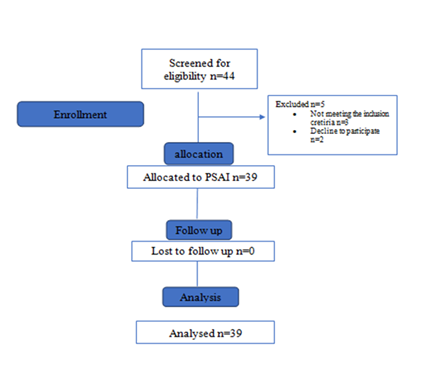
Figure 1: Flow diagram of the study participants.
Sociodemographic data of the participants are presented in Table 2.
The mean age of the participants was 12 years, 53,8% were boys and the majority (79%) had siblings. There were no drop-outs during follow-up. Full participation in all sessions was noted and full compliance with PSAI-CA was recorded in the weekly diaries.
|
Socio-demographic characteristics |
Ν=39 |
|
Age mean± SD |
12 ± 0.16 |
|
Gender N(%) |
|
|
Boys |
21 (53.8) |
|
Girls |
18 (46.2) |
|
Siblings N(%) |
|
|
Yes |
31 (79) |
|
No |
8 (21) |
|
Family members N(%) |
|
|
2 |
3 (9) |
|
3 |
9 (23) |
|
4 |
21 (53) |
|
5+ |
6 (15) |
Table 2: Baseline socio-demographic characteristics of study participants.
|
Baseline |
Post-intervention |
p value |
|
|
N=39 mean ± SD |
|||
|
Stress (SiC) |
2.16±0.66 |
1.19±0.34 |
0.00* |
|
State Anxiety (STAIC) |
44.05±2.71 |
32.86±9.27 |
0.03* |
|
Trait-Anxiety (STAIC) |
47.76±7.23 |
30.94±7.15 |
0.07 |
|
Daily routine(HLPCQ) |
37.24±1.37 |
50.02±2.63 |
0.00* |
|
Physical Activity (HLPCQ) |
3.02±0.77 |
6.23±1.66 |
0.00* |
|
Bed time |
22.30±1.09 |
22.00±0.30 |
0.03* |
|
Nightmares frequency |
1.17 ± 1.89 |
0.72±1.07 |
0.00* |
|
MD (KIDMED) |
6.12±2.62 |
10.97±1.13 |
0.04* |
|
PRQBully |
10.66±2.97 |
8.84±3.11 |
0.00* |
|
PRQVictim |
9.30±1.92 |
8.46±2.72 |
<0.001** |
|
PRQ Pro social |
11.28±2.04 |
12.51±3.05 |
0.00* |
|
HCCmedian(min-max) |
2.76(2.24-6.24) |
3.01 (2.34-10.48) |
0.00* |
|
BMI |
20.69 ± 2.28 |
18.12 ± 1.90 |
0.00* |
Table 3: Psychometric measurements and hair cortisol concentrations of study participants at baseline and following the PSAI-CA (post-intervention).
As presented in Table 3, after the PSAI-CA participants experienced statistically significant reductions in stress levels (SiC, p = 0.00) and anxiety levels (STAIC-state, p=0.03). Additionally, statistically significant improvements were noted in all subscales of the PRQ (bully scale p=0.00, victim scale p<0.001, pro social scale p=0.00). Regarding lifestyle variables, daily routine (p=0.00), physical activity (p=0.00), bedtime (p=0.03), sleep quality regarding nightmares (p=0.00), adherence to Mediterranean diet (KIDMED, p=0.04), were all significantly improved from baseline. BMI was also significantly reduced (p=0.00). Furthermore, a statistically significant increase in total hair cortisol concentrations was noticed (p=0.00). No statistically significant difference was found in the STAIC-trait (p=0.07).
4. Discussion
As hypothesized, the PSAI-CA was beneficial in reducing young adolescents’ stress and anxiety, likewise other cognitive based stress interventions [7,8]. Introspection, a key element of PSAI, acts as an observer inner speaking and allows contemplation on daily actions and feelings by using non-first-person pronouns. According to Kross et al. [26], this type of third person self-talk results in less threatening and more effective appraisal of stressors and objective regulation of thoughts, feelings, and behavior. These findings are likely to explain the results of our study in terms of stress reduction, healthy lifestyle decisions as well as improvements in bully and victim behavior.
These stress reduction results are also consistent with those of many mindfulness school interventions [27]. Self-observation could be common ground between the PSAI-CA and mindfulness processes. However, while mindfulness interventions focus on experience in a receptive, non-judgmental manner [8] PSAI-CA promotes self-assessment and actually represents a metacognitive process which means self-awareness and knowing of others via regulation of cognition, learning experiences and conscious control processes. Interestingly according to Wilson and Dunn [28], introspection and self-assessment through the recollection of daily events is a more effective method of managing problems and difficulties than techniques such as avoiding thoughts or feelings either consciously or unconsciously. Moreover, regarding the central role of the 12 virtues in PSAI-CA, studies have shown that following interventions that help individuals to cultivate virtues and character strengths, result in a reduction of stress, a decrease in anxiety, an improvement of psychological well-being and may foster prosocial behavior.
Our results in bullying are consistent with the results of the study by Polan et al. [29] who found that greater stress management skills were significantly associated with lower involvement in both physical bullying and relational aggression. Third-person inner talking, a core element of PSAI-CA, leads to self-control that is negatively associated with bullying behavior [30]. Furthermore, the 12 virtues moral guide promotes respect for others, cooperation and friendship that act as a protective cushion against victimization [31].
Our positive results on the frequency of nightmares are consistent with studies supporting that cognitive-behavioral approaches can be an effective nightmare treatment in adolescents [32]. The effects of the PSAI-CA in reducing stress and improving bulling may be related to improvement in nightmares’ frequency considering the reported associations between nightmares and problems with peers [33], as well between self-reported social stress and nightmare frequency of school aged children [34]. Additionally, PSAI-CA fosters healthy coping such as problem-focused coping strategies that may mitigate the effects of stress on adolescents' sleep [35]. Taking into consideration that numerous research questions remain unanswered about nightmare treatment in adolescents as well as that nightmare frequency in childhood and adolescence might be stable over the lifespan [36], our findings seem promising in this field.
Our findings of improvement in the adherence to the Mediterranean Diet are similar to those of Kalogiratou et al. [15], who tested the effects of PSAI-CA on childhood emotional eating. The PSAI-CA promotes self-regulation and limitation of automatic behaviors like overeating or unhealthy food consumption and at the same time enforces healthy food choices. These may also explain the observed reduction of participants’ BMI in our study.
To the best of our knowledge, this is the first study investigating the effects of a holistic cognitive stress management intervention on adolescents’ hair cortisol concentrations. The statistical significant increase of HCC in our study may reflect the increase of cognitive, attention and emotional effort due to the cognitive reappraisal which is the key element of the PSAI-CA process. A possible explanation is that cognitive reappraisal and other cognitive emotion regulation techniques prerequisite greater cognitive emotional and attentional effort that could imply activation of the corticolimbic system and HPA axis [37]. In this case, a slightly greater cortisol reactivity could be an indicator of more adaptive engagement with the stressful condition [38].
In addition to the above, the advantage of the PSAI-CA technique as compared to others lies in the fact that it can be easily taught by trained teachers or counselors or primary care providers in a school setting as well as easily practiced by the individual on his/her own at home.
Study limitations include the small sample size, the lack of control group, the small duration of the intervention, the lack of long-term follow-up and the recruitment of participants from only one school setting. Due to these limitations, generalization and validity of the results cannot be safely verified.
5. Conclusion
Conclusively, the PSAI-CA was beneficial for the management of stress and bullying, the lifestyle, and sleep quality of the adolescents studied. Further research with larger randomized-controlled trials, longer follow up and sampling from different school settings is required to ascertain PSAI-CA as an effective cognitive multifaceted program for stress management and healthy habits establishment in adolescents.
6. Acknowledgments
We wish to thank all students for participating in the study, as well as the headmaster Mrs. Athena Spyridoula Bassia and the teachers Mrs. Petroula Petropoulou, Mrs. Eleni Argyri of the 4th Primary School of Chalandri Municipality of Attica Province, Greece. Also, we are grateful to Clinical Chemist Aimilia Mantzou for her assistance with hair cortisol analysis.
The authors declare that they have no conflict of interest.
Clinical trials registry site and number: Clinicaltrial.gov, NCT04824326.
The study protocol was approved by the School of Medicine, National and Kapodistrian University of Athens (protocol number 1718038002/30/07/2018) and was consistent with the Declaration of Helsinki.
The trial also received approval by the Institute of Educational Policy (protocol number 12413/09-11-2018).
This research did not receive any specific grant from funding agencies in the public, commercial, or not-for-profit sectors.
Appendix
Data transparency statement: All authors state that they have not published before and/or have something in press around this same data set.
References
- Wigfield A, Lutz SL, Wagner AL, et al. Early Adolescents’ Development across the Middle School Years. Professional School Counseling 9 (2005): 112-119.
- Stults-Kolehmainen MA, Sinha R. The Effects of Stress on Physical Activity and Exercise. Sports Medicine 44 (2014): 81-121.
- Simmons S, Limbers CA, et al. Acculturative Stress and Emotional Eating in Latino Adolescents. Eating and Weight Disorders 24 (2019): 905-914.
- Becker SP, Sidol CA, Van Dyk TR, et al. Intraindividual Variability of Sleep/Wake Patterns in Relation to Child and Adolescent Functioning: A Systematic Review. Sleep Medicine Reviews 34 (2017): 94-121.
- Hansson E, Garmy P, Vilhjálmsson R, et al. Bullying, Health Complaints, and Self-Rated Health among School-Aged Children and Adolescents. Journal of International Medical Research 48 (2020): 1-9.
- Takizawa R, Maughan B, Arseneault L, et al. Adult Health Outcomes of Childhood Bullying Victimization. American Journal of Psychiatry 171 (2014): 777-784.
- Rew L, Johnson K, Young C, et al. A Systematic Review of Interventions to Reduce Stress in Adolescence. Issues in Mental Health Nursing 35 (2014): 851-863.
- Sapthiang S, Van Gordon W, Shonin E, et al. School-Based Mindfulness Interventions for Improving Mental Health: A Systematic Review. Journal of Child and Family Studies 28 (2019): 2650-2658.
- Rodriguez-Ayllon M, Cadenas-Sánchez C, Estévez-López F, et al. Physical Activity, Sedentary Behavior and Mental Health of Preschoolers, Children and Adolescents: A Systematic Review and Meta-Analysis. Sports Medicine 49 (2019): 1383-1410.
- Piscopo S. The Mediterranean Diet as a Nutrition Education, Health Promotion and Disease Prevention Tool. Public Health Nutrition 12 (2009): 1648-1655.
- Arain M, Haque M, Johal L, et al. Maturation of the Adolescent Brain. Neuropsychiatric Disease and Treatment 9 (2013): 449-461.
- Gaffney H, Ttofi MM, Farrington DP. Evaluating the Effectiveness of School-Bullying Prevention Programs: An Updated Meta-Analytical Review. Aggression and Violent Behavior 45 (2019): 111-133.
- Russell E, Koren G, Rieder M, et al. Hair Cortisol as a Biological Marker of Chronic Stress: Current Status and Future Directions. Psychoneuroendocrinology 37 (2012): 589-601.
- Bitchava IC, Paleologou AM, Chrousos GP, et al. Pythagorean Self-Awareness Serves Effectively for Stress Management on Freshmen: A Quasi-Experimental Study. SOCRATES 5 (2017): 15-37.
- Kalogiratou DS, Bacopoulou F, Kanaka-Gantenbein C, et al. Effects of the Pythagorean Self-Awareness Intervention on Childhood Emotional Eating and Wellbeing. Journal of Molecular Biochemistry 9 (2020): 13-21.
- Abe M, Abe H. Lifestyle Medicine–An Evidence-Based Approach to Nutrition, Sleep, Physical Activity, and Stress Management on Health and Chronic Illness. Personalized Medicine Universe 8 (2019): 3-9.
- World Health Organization. New WHO Progress Report Reveals Major Health Challenges Facing Children and Adolescents in Europe. WHO Report (2020): 1-20.
- Sakellariou GT. A New Method of Character Training. Athens University Psychological Laboratory (1960): 1-200.
- Heidari MH, Nowrozi RA, Ahmadpoor P, et al. Recognition and Applying Character Education Approaches in Schools. Review of European Studies 8 (2016): 125-132.
- Osika W, Friberg P, Wahrborg P. A New Short Self-Rating Questionnaire to Assess Stress in Children. International Journal of Behavioral Medicine 14 (2007): 108-117.
- Psychountaki M, Zervas Y, Karteroliotis K, et al. Reliability and Validity of the Greek Version of the STAIC. European Journal of Psychological Assessment 19 (2003): 124-130.
- Kontogianni MD, Vidra N, Farmaki AE, et al. Adherence Rates to the Mediterranean Diet are Low in a Representative Sample of Greek Children and Adolescents. The Journal of Nutrition 138 (2008): 1951-1956.
- Darviri C, Alexopoulos EC, Artemiadis AK, et al. The Healthy Lifestyle and Personal Control Questionnaire (HLPCQ): A Novel Tool for Assessing Self-Empowerment through a Constellation of Daily Activities. BMC Public Health 14 (2014): 1-10.
- Rigby K, Slee PT. Dimensions of Interpersonal Relation among Australian Children and Implications for Psychological Well-Being. Journal of Social Psychology 133 (1993): 33-42.
- De Onis M, Onyango AW, Borghi E, et al. Comparison of the World Health Organization Child Growth Standards and the NCHS/WHO International Growth Reference: Implications for Child Health Programmes. Public Health Nutrition 9 (2006): 942-947.
- Kross E, Bruehlman-Senecal E, Park J, et al. Self-Talk as a Regulatory Mechanism: How You Do It Matters. Journal of Personality and Social Psychology 106 (2014): 304-324.
- Noppe G, Van Rossum EF, Koper JW, et al. Validation and Reference Ranges of Hair Cortisol Measurement in Healthy Children. Hormone Research in Paediatrics 82 (2014): 97-102.
- Wilson TD, Dunn EW. Self-Knowledge: Its Limits, Value, and Potential for Improvement. Annual Review of Psychology 55 (2004): 493-518.
- Polan JC, Sieving RE, McMorris BJ, et al. Social and Emotional Skills and Their Protective Role Against Violence and Bullying in Young Adolescents. Health Promotion Practice 14 (2013): 599-606.
- Jenkins LN, Demaray MK, Fredrick SS, et al. Associations among Middle School Students’ Bullying Roles and Social Skills. Journal of School Violence 15 (2016): 259-278.
- Kendrick K, Jutengren G, Stattin H. The Protective Role of Supportive Friends Against Bullying Perpetration and Victimization. Journal of Adolescence 35 (2012): 1069-1080.
- Krakow B, Sandoval D, Schrader R, et al. Treatment of Chronic Nightmares in Adjudicated Adolescent Girls in a Residential Facility. Journal of Adolescent Health 29 (2001): 94-100.
- Smedje H, Broman JE, Hetta J, et al. Disturbed Sleep and Behavioural Difficulties in 635 Children Aged Six to Eight Years. European Child and Adolescent Psychiatry 10 (2001): 1-9.
- Schredl M, Biemelt J, Roos K, et al. Nightmares and Stress in Children. Sleep and Hypnosis 10 (2008): 19-25.
- Maskevich S, Cassanet A, Allen NB, et al. Sleep and Stress in Adolescents: The Roles of Pre-sleep Arousal and Coping During School and Vacation. Sleep Medicine 66 (2020): 130-138.
- Kales JD, Kales A, Soldatos CR, et al. Night Terrors: Clinical Characteristics and Personality Patterns. Archives of General Psychiatry 37 (1980): 1413-1417.
- Sheppes G, Catran E, Meiran N, et al. Reappraisal but Not Distraction Produces Physiological Effort During Self-Control. International Journal of Psychophysiology 71 (2009): 91-96.
- Denson TF, Creswell JD, Terides MD, et al. Cognitive Reappraisal Increases Neuroendocrine Reactivity to Acute Social Stress and Physical Pain. Psychoneuroendocrinology 49 (2014): 69-78.

 Impact Factor: * 4.8
 Acceptance Rate: 69.70%
  Time to first decision: 10.4 days
  Time from article received to acceptance: 2-3 weeks