
Small RNAs May Be Transported Through the Meridians
Yun Zhang1*, Yuan Zheng2
1College of Information Engineering, Guizhou University of Traditional Chinese Medicine, Guiyang, 550025, China.
2Yunnan Association for Science and Technology, Yunnan, 650051, China.
*Corresponding author: Yun Zhang, College of Information Engineering, Guizhou University of Traditional Chinese Medicine, Guiyang, 550025, China.
Received: 13 November 2025; Accepted: 18 November 2025; Published: xx November 2025
Article Information
Citation: Yun Zhang, Yuan Zheng. Small RNAs May Be Transported Through the Meridians. Archives of Internal Medicine Research. 8 (2025): 331-333.
View / Download Pdf Share at FacebookAbstract
The discovery of small RNAs has transformed life sciences by supporting the "RNA world" theory and highlighting their role in diseases like cancers and viral infections. Some small RNAs in traditional Chinese medicine (TCM) herbs show stability and therapeutic effects, such as tumor suppression and antiviral activity. TCM's meridians, believed to regulate body fluids and energy, might transport small RNAs, suggesting a mechanism for their therapeutic effects. Historically linked to antiviral properties, meridians could facilitate small RNA movement, possibly through pore proteins on cell membranes, explaining their elusive presence in anatomical studies. This hypothesis may shed light on meridians' role in disease resistance and organ connectivity, offering new insights into TCM and small RNA functions, with significant implications for medical science.
Keywords
<p>Small RNA; Traditional Chinese medicine; Meridian; Herb; Antiviral</p>
Article Details
Introduction
The discovery of small RNAs stands as one of the most thrilling advancements in life sciences in recent years, providing substantial support for the "RNA world" theory. Recent studies have shown that various complex diseases, including cancers, viral infections, metabolic disorders, cardiovascular diseases, neurological disorders, and autoimmune diseases, are closely associated with small RNAs [1]. Intriguingly, some small RNAs found in herbs used in traditional Chinese medicine (TCM) exhibit resistance to gastrointestinal RNase digestion and remain stable under harsh conditions such as boiling, extreme pH levels, extended storage, and freeze-thaw cycles. These small RNAs may not only inhibit tumor growth by targeting crucial human gene transcripts but also impede viral replication by targeting key gene transcripts of various viruses, such as severe acute respiratory syndrome coronavirus 2 (SARS-CoV-2), influenza A viruses, varicella-zoster virus, and enterovirus 71 [2-6].
For millennia, meridians have been considered the core regulatory system in TCM. According to TCM, meridians facilitate the flow of body fluids and an energy known as qi within them, resist external evil, and connect internal organs [7]. Regarding the facilitation of body fluids flow, while meridians have not been observed in anatomical studies, experiments using isotope tracing and other methods have demonstrated the presence of slow liquid flow along meridian pathways [7,8]. Recent research suggests that these flow channels might be pore proteins on cell membranes, explaining why they have not been detected in anatomical studies [9].
In terms of resisting external evil, the focus is primarily on antiviral properties. Modern medicine has not yet discovered natural antiviral molecules analogous to antibiotics that counteract bacteria. TCM, however, relies on classical prescriptions based on the differentiation of the six meridians (three yang meridians and three yin meridians) outlined by the TCM sage Zhongjing Zhang in the "Treatise on Cold Damage". The classical prescriptions in this treatise, especially those related to the three yang meridians, are predominantly associated with antiviral effects and have laid the foundation for subsequent generations of prescriptions. In modern classical prescription research, there are three main schools of thought: the School of Pattern Identification represented by Juquan Ye and Huang Huang, the School of Pathogenesis represented by Xishu Hu, and the School of Organs and Meridians represented by Duzhou Liu. Duzhou Liu, regarded by the Japanese TCM community as the "foremost expert in treating cold damage in China", believed that Zhongjing Zhang was a staunch advocate of meridian studies and insisted that studying cold damage must be approached from a meridian perspective [10]. Renowned TCM master Yuansu Zhang also proposed the meridian tropism theory of herbs. According to this theory, in modern times, some TCM practitioners use meridian injection to administer antiviral medications extracted from herbs in the "Treatise on Cold Damage" into the meridians, often achieving better therapeutic effects than oral administration. Previous research has also shown that some herbal extracts from TCM antiviral herbs, such as Bupleurum chinense DC. and Notopterygium incisum Ting ex H. T. Chang, can diffuse along the meridians after being injected [11].
Some small RNAs are natural antiviral molecules that have been discovered by humans in recent years. In 1928, the phenomenon of RNA interference caused by small RNAs was also first discovered in tobacco antiviral experiments [12]. Current research indicates that after certain plants are consumed by insects, their small RNAs are absorbed into the insects' bodies through the SID pore proteins on the insect gut cell membranes. Mammals and humans also possess homologous genes of the SID protein gene. Recent studies have confirmed that humans can absorb small RNAs from food through a homologous protein pore of the SID protein in the stomach [13]. Previous research on the effective components of medicinal plants has primarily focused on secondary metabolites, which are mostly large molecules and unlikely to enter pore proteins. Small RNAs, being among the smallest biological molecules discovered to date, are transported between plant cells through plasmodesmata and vascular bundles and can be transported through pore proteins between animal cells [14]. If these pore proteins are located near meridian pathways, it could better explain the role of meridians in resisting external evil, as well as the theories of the Six Meridians in TCM diagnosis and the guiding of herbal medicines. For instance, certain medicinal plant small RNAs absorbed by the human body and small RNAs produced by the human body might be transported through these pores to combat viruses.
Finally, regarding the connection with internal organs, the flow of substances within the meridians plays a pivotal role in the formation and maintenance of visceral organs [8]. Small RNAs can traverse long distances across organs in both animals and plants, contributing significantly to the formation and maintenance of various tissues and organs [15]. If substantiated, the transport of small RNAs through the meridians could partially elucidate the meridians' involvement in connecting internal organs. For example, through the transmission of information via small RNAs, they could effectively coordinate the developmental processes of diverse tissues and organs.
Building upon these insights, this article posits a daring hypothesis: small RNAs may be transported through the meridians. Subsequent research into this phenomenon holds the promise of yielding profound implications for the medical field (Figure 1).
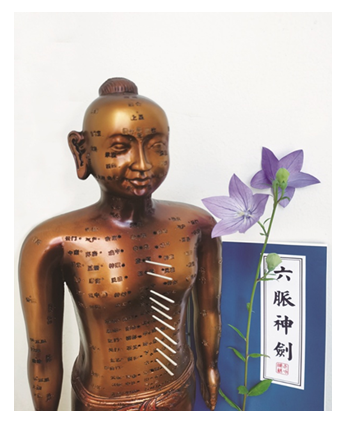
Figure 1: Delving deeply into the ancient culture of traditional Chinese medicine from the perspective of modern science.
Conflict of interest statement
The authors declare no conflicts of interest.
Acknowledgments
Y. Z. is funded by the National Natural Science Foundation of China (32360152).
References
- Benacka, D. Szaboova, Z. Gulasova, Z, et al. Non-Coding RNAs in Human Cancer and Other Diseases: Overview of the Diagnostic Potential. Int J Mol Sci 24 (2023).
- Huang et al., Honeysuckle-derived microRNA2911 directly inhibits varicella-zoster virus replication by targeting IE62 gene. J Neurovirol 25 (2019): 457-463.
- Li et al., Honeysuckle-encoded microRNA2911 inhibits Enterovirus 71 replication via targeting VP1 gene. Antiviral Res 152 (2018), 117-123.
- Liu et al., Honeysuckle-derived microRNA2911 inhibits tumor growth by targeting TGF-beta1. Chin Med 16 (2021): 49.
- K. Zhou et al., Absorbed plant MIR2911 in honeysuckle decoction inhibits SARS-CoV-2 replication and accelerates the negative conversion of infected patients. Cell Discov 6 (2020): 54.
- Zhou et al., Honeysuckle-encoded atypical microRNA2911 directly targets influenza A viruses. Cell Res 25 (2015): 39-49.
- Liu, L. Hu, in Meridian and Acupoint Science. (China Traditional Chinese Medicine Publishing House, 2013), pp. 21-23, 214.
- Zhang, in Meridians are water channels. (Military Medical Science Press, 2009), pp. 133-134, 204-205.
- Guo, J. Fang, in Experimental Acupuncture. (China Traditional Chinese Medicine Publishing House, 2012), pp. 95-96.
- Liu, in Fourteen Lectures on the Treatise on Cold Damage. (People's Medical Publishing House, 2016), pp. 17.
- Fei et al., Experimental Exploration and Research Prospects on the Material Basis and Functional Characteristics of Meridians. Chinese Science Bulletin 43 (1998): 658-672.
- Baulcombe, RNA silencing in plants. Nature 431 (2004): 356-363.
- Chen et al., SIDT1-dependent absorption in the stomach mediates host uptake of dietary and orally administered microRNAs. Cell Res 31 (2021): 247-258.
- H. Chitwood, M. C. Timmermans, Small RNAs are on the move. Nature 467 (2010): 415-419.
- Chakraborty et al., MicroRNAs organize intrinsic variation into stem cell states. Proc Natl Acad Sci U S A 117 (2020): 6942-6950.

 Impact Factor: * 3.6
 Acceptance Rate: 78.21%
  Time to first decision: 10.4 days
  Time from article received to acceptance: 2-3 weeks