Rehabilitation in a Vegetative State: A Case Study of Medical Biological Cultural Heritage
Kai Chen*, Yang Jiao, Yanhua Sun
School of Business Administration, Northeastern University, Shenyang, China
* Corresponding Author: Kai Chen, School of Business Administration, Northeastern University, Shenyang, China.
Received: 03 December 2025; Accepted: 16 December 2025; Published: 19 December 2025
Article Information
Citation: Kai Chen, Yang Jiao, Yanhua Sun. Rehabilitation in a Vegetative State: A Case Study of Medical Biological Cultural Heritage. Archives of Clinical and Biomedical Research. 9 (2025): 542-551.
View / Download Pdf Share at FacebookAbstract
This study investigates a medical intangible cultural heritage case involving the rehabilitation of a patient in a vegetative state using traditional Chinese cultural techniques. The subject, Chen Biao, sustained severe traumatic brain injury from a 1957 landslide explosion and was critically ill. 1. The rescue protocol integrated eight traditional cultural techniques: (i) walking therapy for vitality preservation; (ii) familial vocal stimulation; (iii) sugar water feeding; (iv) mind-intention qigong; (v) dust scanning ritualistic; (vi) eight directions heavenly doctor ritual; (vii) nine palaces eternal light ritual; and (viii) seven stars formation layout. 2. Key implications from critical incidents: (i) workplace safety as paramount; (ii) time-sensitive bio-cultural intervention; (iii) ecological determinants of recovery. 3. Summary: (i) cultural technology can indeed cure diseases; (ii) traditional cultural techniques for diagnosis and treatment are scientific. 4. The principles of traditional cultural therapy: (i) principles of traditional cultural therapy; (ii) the mechanism of traditional cultural technology therapy; (iii) traditional cultural and technological treatment principles.
This case study examines the rehabilitation of a farmer from Mugou Village, Guan'er Township, Hunyuan County, Datong City, Shanxi Province, China. Following a severe traumatic brain injury that progressed from coma to a vegetative state, the patient achieved recovery through the application of specific cultural-therapy techniques, documenting the transformative process of neurological rehabilitation.
Keywords
<p>Rehabilitation in vegetative state; Traditional Chinese cultural techniques; Medical Biological cultural heritage; Bio-cultural intervention</p>
Article Details
1. Identity of the Subject
The subject, Chen Biao (1910–1968), was an ethnic Han male buried on a hillside in Zangjingzhuang Village, Xiahan Township, Huatuan Village, Shanxi Province. His epitaph records a birthdate of June 20, 1910 (lunar: 14th day of the fifth month, Gengxu year) and death on October 9, 1968 (lunar: 18th day of the eighth month, Wushen year), confirming a lifespan of 59 years. The epitaph succinctly summarizes his legacy: "Proficient in literature and calligraphy, skilled in commerce and agriculture; Compassionate in governance, virtuous in deeds; Benevolence revered by all within a hundred-li radius."
Educated at a village primary school, Chen achieved functional literacy and numeracy—a rare accomplishment in the remote mountainous region of his era. His career spanned multiple roles: fiscal administrator for the Yanbei region under the Eighth Route Army (1937–1945), elected village chief of Jiu Village, and folk ritual master (yangsheng, traditional ceremonial practices). Beyond official duties, he served as the de facto community mediator, resolving matters including life-cycle rituals (births, deaths, and marriages), agricultural disputes, neighborhood conflicts, minor health complaints, and livestock management.
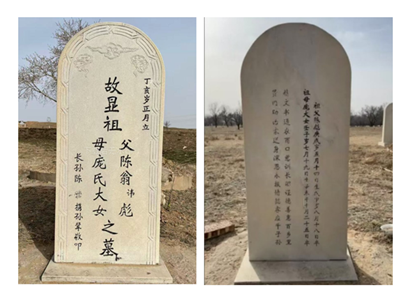
Figure 1: Tombstone of Chen Biao.
2. The Occurrence of Major Work-related Accidents
On May 4, 1957 (Saturday), during the Dingyou year following the Bingzi-Jiawu cycle, all members of Mugou Village's senior agricultural cooperative in Guan'er Township (longitude 113.62°, latitude 39.55°, altitude 1493 meters) conducted land preparation and sowing on cultivated fields within 1 kilometer of West Cross Gully—a location situated 1 kilometer southeast of the village center. Work groups were assigned dispersed tasks across the area. At noon, when work concluded, all personnel were required to pass through the canal maintenance zone. Meanwhile, the canal blasting team was scheduled to conduct mountain blasting operations at day's end. Chen Biao, having completed his upstream tasks and returning home, observed no rock blasting warning signs along the road. Continuing forward, he reached the designated blasting site. At that moment, an unannounced detonation occurred: he was thrown airborne and crashed onto the rocky riverbed below. Medical examination revealed: Bilateral right rib fractures; Comminuted skull fracture with right cerebral contusion; Multiple lacerations with severe hemorrhaging; Unconsciousness and critical vital signs.
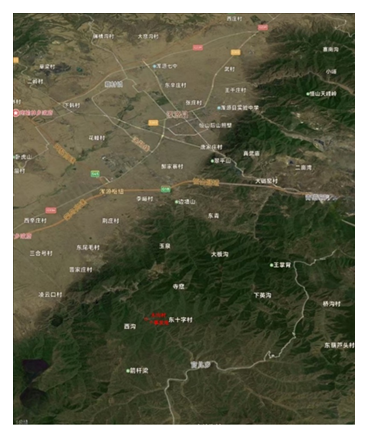
Figure 2: Satellite Image of the Incident Site.
The news that Chen Biao had been injured in the explosion spread immediately, prompting villagers to rush back to the construction site to assist in the rescue. A villager proposed sending the patient to the hospital in Hunyuan County, but the area lies deep in the mountains with no transportation available. The rough terrain meant transport could only be done via manual stretcher. Three possible routes were considered: (1) The route to Guan'er Qingciyao County Hospital, approximately 45 kilometers away. Although the road conditions were good, the journey would take two to three days, making this option impractical. (2) The path from Dayu to Lingyunkou Village and then to the County Hospital spans about 30 kilometers. While road conditions were slightly better, it would still take two days—rendering this route unsuitable. (3) The shortcut via Temple Pass to Liyu County Hospital was only 20 kilometers, but the route was treacherous: steep cliffs, dense thorns, and the notorious "Shining God Cliff"—a section so perilous that even immortals would struggle to pass. The journey would take approximately one and a half days, yet the difficulty made this route unthinkable.
With no viable medical options, the patient had to be transported home for emergency care. The rescue team immediately improvised: using locally available materials, they tightly bound seed cloth bags with villagers' clothing and pants into a long strip. The patient was positioned to ride on this makeshift stretcher with both legs secured. Ropes were tied at both ends, and villagers shouldered the stretcher to carry him back toward the village.
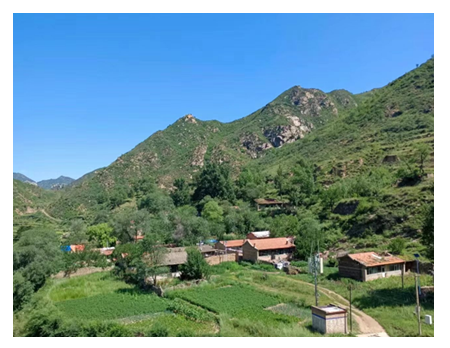
Figure 3: The Current Mugou Village.
3. Rehabilitation Process through Cultural Technology
There is no hospital, no doctor, and no medicine available for emergency rescue. The only viable method is traditional Chinese cultural technology.
3.1 Continuous Ambulatory Therapy for Vitality Preservation
The patient was not placed on the kang (the traditional heated brick bed in northern China, as no modern bed was available) but was instead secured onto a prepared cylindrical roll. Ropes were tied at both ends, with two carriers supporting the roll on their shoulders. The patient and the left/right assistants faced the same direction, circling continuously in the main hall without pause. Shift changes occurred every thirty minutes, day and night.
Is this rescue feasible? Though villagers lacked modern medical validation, ancestral wisdom dictated that severe traumatic brain injury must not be left lying motionless. Immobility would allow cerebral blood vessels to rupture, causing massive hemorrhage into the brain cavity—resulting in rapid death or persistent vegetative state. The rotational movement (passive ambulation) was believed to prevent vascular overflow, akin to using a reinforced water pipe to contain pressure and prevent burst-induced leakage. This practice validated their ancestors' empirical knowledge through observable outcomes.
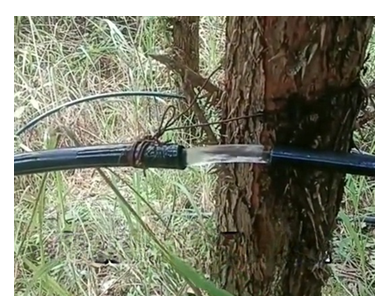
Figure 4: Flowing Water Doesn’t Overflow due to Pipe Rupture.
3.2 Continuous Vocal Stimulation without Pause
As the patient's consciousness began to fade, his son, daughter, nephew, and disciples maintained a constant chorus of "Dad!", "Uncle!", and "Master!” The metaphorical "galloping horse" of urgent calls never ceased, though the patient's hearing seemed imperceptible to external observers. The family's incessant calling served a critical dual function: first, to prevent the patient from slipping into irreversible unconsciousness. Ancestral wisdom held that once consciousness was fully lost, the patient would never reawaken. Second, the disciples explained that the "slip life" (a traditional concept referring to the fleeting grasp on life) and vocal stimulation worked synergistically—to contain cerebral hemorrhage by maintaining circulatory pressure and to anchor the dissipating "soul" (vital energy) within the body. "The call is life's anchor," stated the disciple. "Just as a broken water pipe must be sealed to prevent flooding, the brain's blood vessels must be stabilized through rhythmic motion and sound. To let the patient sleep is to let blood pool and soul scatter—a death sentence in our tradition."
3.3 Intermittent Administration of Sugar-Water and Fruit Juice
The patient remains deeply comatose and is unable to swallow. Caregivers may administer small sips of sugar water or canned fruit juice at irregular intervals, but must avoid plain water, and absolutely refrain from semi-solid foods such as rice porridge, egg custard, or chicken broth. The disciple clarified that the master suffers from severe visceral and somatic trauma. The sugar solution, being isotonic and pH-neutral, maintains electrolyte balance akin to blood plasma. In contrast, plain water, egg-based broths, or chicken soup lack consistent osmolality matching blood composition—potentially disrupting vascular healing by causing cellular edema or electrolyte imbalance.
3.4 Reaction on Day Three and Full Awakening on Day Seven
On May 7, 1957 (Tuesday)—the third day since the accident—at noon, the patient’s children and disciples observed subtle eye movements and heard the patient’s relatives calling out. The patient then emitted his first audible "hmm" sound, prompting immediate excitement and urgent sharing of the news among the caregivers. By May 12, 1957 (Saturday)—the seventh day post-accident—at noon, Chen Biao fully regained consciousness. He first inquired about the date, then expressed heartfelt gratitude to his children, disciples, and fellow villagers for their exceptionally professional and meticulous round-the-clock care. He subsequently issued clear directives: disband the rescue team, return home to rest, transfer him to the kang (traditional heated brick bed), and commence self-recovery. (5) Self recovery process.
In cases of severe traumatic brain injury with no access to medical treatment, family members sought medical assistance from all directions—requesting doctors from regular hospitals to come and save the patient's life. However, due to the long distance and blocked mountain roads, this effort ultimately proved impossible. The patient has now regained consciousness, yet medical treatment remains unavailable. Fortunately, as a practitioner of traditional cultural techniques, the patient possesses a set of self-recovery skills rooted in ancestral wisdom.
i. Mind-intention qigong
Following the conclusion of the seven-day passive ambulatory therapy and dissolution of rotational care teams, the therapeutic paradigm shifted from externally facilitated blood circulation enhancement to internally guided bioenergy regulation via Mind-Intention Qigong—the core modality of this cultural-medical rehabilitation system. Chen Biao articulated that human tissues (vascular, cellular, and anatomical structures) retain intrinsic regenerative memory capacities, contingent upon adequate oxygenation and nutrient delivery through systemic perfusion. While pharmacological interventions effectively control pathological processes, they may inadvertently suppress healthy tissue regeneration and immune competence. For non-pathological trauma recovery—such as post-traumatic vascular repair—Chen advocated non-pharmacological Mind-Intention Qigong as the optimal strategy for bioenergy redistribution.
The key points of mind-intention qigong: The blood flows freely while reciting, and the mind must pass through the painful area; The mind synchronizes with the breath, taking a short inhalation from the feet to the head and a long exhalation from the head to the feet; Breathing and mnemonic work together, the mnemonic is kept secret and can be a set of words or a set of numbers. As The Yellow Emperor's Inner Canon mentioned, the highest and most profound principle (medical philosophy) is extremely subtle, with endless changes. Who can know its origin? How difficult! Who can grasp the key to the phenomenon of (things) disappearing in the face of suspicion? How to deal with deep worries appropriately, and which method is the best? Those subtle and elusive signs arise from tiny and insignificant changes; the accumulation of millimeter changes originates from precise measurement. Accumulating deductions millions of times can gradually expand; only through continuous calculation and expansion can the complete form of things be revealed [1].
ii. Dust scanning ritualistic 拂尘
After 7 days and 7 nights of walking therapy for vitality preservation, everyone was exhausted, and the patient was extremely fragile. Although they have now awakened, they will soon enter the physical recovery of deep sleep. Sleeping more and waking less becomes the norm for the next week. In order to maintain smooth blood flow and promote vascular repair and regeneration, it is necessary to perform a 'dust scan' during the patient's sleep.
The dust scanning is completed by Chen Biao's disciples taking turns performing the " Fucheng brushing" operation, and the program is consistent with the patient's mental qigong: the disciple stands at the bottom left (birth gate) or bottom right (door opening) of the patient to cast spells; The patient's blood flows with the swinging motion of the mage (disciple) "brushing the dust"; The "dust brushing" swing is synchronized with the mage's breathing, with short inhalation from the patient's feet to the head and long exhalation from the patient's head to the feet; The mage's breathing and mnemonic are coordinated, and the mnemonic is still kept secret. It can be a set of words or a set of numbers.
As shown in Figure 5, the left panel illustrates the practice of dusting sweep during rapid inhalation while calmly guiding consciousness from the feet to the head. The right panel depicts the dusting sweep during slow exhalation while calmly guiding consciousness from the head to the feet.
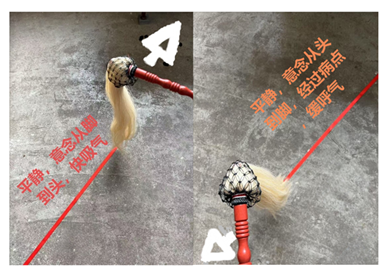
Figure 5: Dust Scanning Ritualistic.
iii. Eight directions heavenly doctor ritual
Starting from the process of self-recovery, directions heavenly doctor ritual are pasted on the four walls of the patient's house. The "heavenly doctors" are drawn according to the rules of the Book of Changes [2], and they are as follows: pasted ☲☴ on the front window; stick ☵☳ on the wall directly behind; stick ☳☵ on the left wall directly; stick ☱☷ on the wall to the right; left front corner sticker ☴☲; stick ☷☱ on the corner of the right front wall; left rear corner sticker ☶☰; right rear corner sticker ☰☶ . The Eight Faced Heavenly Medicine injects energy into patients from an 8-dimensional perspective, adjusting their bodies to maintain the best state of harmony, stability, and health.
iv. Eternal light ritual
Three days after initiating the eight directions heavenly doctor ritual, a nine palaces grid was assembled in the central hall using integrated wooden frames divided into nine equal squares. Based on the patient’s birth (Gengxu year, Renwu month, Bingchen day, Bingshen hour), a Qi Men Dun Jia [3] lifelong chart was cast, with corresponding celestial stem symbols placed in each grid. The patient's Four Pillars of Destiny (birth) chart is positioned within the Gen palace — the sector corresponding to the Day Master's celestial stem in his birth chart. Place eternally lit oil lamps on Gèn Palace, opposite Duì Palace, and southern Lí Palace separately. Place a red cloth in Kun Palace and a yellow cloth in Dui Palace. From 5:00 to 7:00 in the morning, a cow handicraft (made of clay fired into ceramics or wood carvings) will be placed in the Zhen Palace, and from 3:00 to 5:00 in the afternoon, a monkey handicraft (made of clay fired into ceramics or wood carvings) will be placed in the Kun Palace.
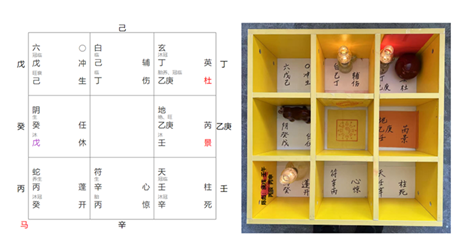
Figure 6: Nine-Palace Grid Configuration of Eternally Lit Oil Lamps.
v. Seven stars formation layout
Three days after the eternal lit oil lamps, a seven stars formation was deployed at the northern end of the main hall, featuring a rotating turntable with an immobile center holding a central lamp inscribed with the patient's full name and birth (Gengxu year, Renwu month, Bingchen day, Bingshen hour), while the movable peripheral ring supported seven lamps arranged to mirror the celestial configuration of the Big Dipper Constellation, with each lamp position corresponding to specific stars in the Ursa Major formation.
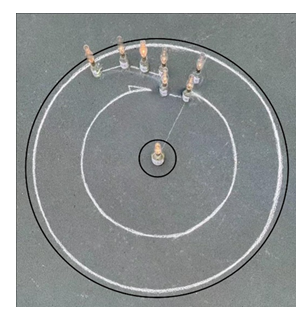
Figure 7: Seven Stars Formation Layout
After the recovery, the diet was still dominated by sugar water and canned fruits, and gradually increased the digestible soft foods such as millet porridge, egg soup and naked oats paste. On May 18, 1957, 14 days after the accident, Chen Biao walked down the ground and the dust scanning stopped. On May 25, 1957, 21 days after the accident, Chen Biao fully recovered and started working in the fields, resuming all social, economic, and cultural activities.
4. Key Implications from Critical Incidents
4.1 Work safety as paramount
The major safety incident that occurred on the afternoon of May 4th raised peculiar questions. Typically, mountain blasting operations require road closures with warning personnel stationed at intersections several hundred meters before and after the blast site to prohibit entry. Why was there no roadblock in place this time? The blasting team leader explained: "We had assigned Chen Peng (nickname: Geng Liu'er) to guard the intersection, but he abandoned his post before the explosion, allowing Chen Biao to enter the restricted zone and sustain injuries from the blast." This indeed constitutes a critical oversight by the production organizers, as it was widely acknowledged that Chen Peng - often labeled as 'Tianpeng Xing' (a term referencing someone with lazy, dishonest, and irresponsible behavior) - had a well-documented history of unreliability. Entrusting him with a life-and-death responsibility was a fundamental failure in personnel management.
4.2 Every second counts for vitality
When casting the Qi Men Dun Jia chart for the noon hour of May 4, 1957 (corresponding to the Eight Characters: Dingyou, Jisi, Bingzi, Jiawu), it reveals a profound "Grand Fu Yin" configuration - a tripartite stagnation where the Celestial Stems, Eight Gates, and Nine Stars all exhibit repeated patterns (Fu Yin). The chart's subject is trapped in a "fatal position" (Si Di), rendering complete immobility. In such configurations, stillness invites calamity while movement courts disaster. All phenomena under heaven operate within cosmic order, their fates preordained. Within the Kan Palace's Rest Gate (Xiu Men), the astrological indicators explicitly implicate "Chen Peng" (alias "Geng Liu'er") as the conduit through which Chen Biao was delivered to his doom.
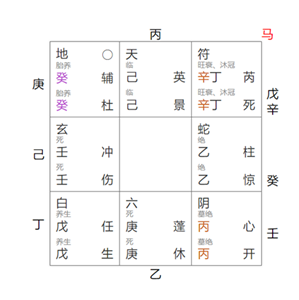
Figure 8: The Situation of the Accident and the Mechanism and Approach of Recovery and Rehabilitation.
Adjacent to the Revival Gate (Sheng Men), the Gèn Palace's earth element overpowered the Water element of the Life Palace, while the congenital Zhèn Trigram manifested as a violent thunderclap, severing the path and invoking the White Tiger's omen of bloodshed. Though the subject's existence hung by a thread; surviving against all odds, salvation emerged through the Rest Gate (Xiu Men) where a benefactor intervened. The celestial stem "Yi" (乙) in the Life Palace formed a Metal union with "Geng" (庚), resurrecting Geng from the jaws of death. Symbolizing pliable rope, this Yi energy swiftly escorted Chen Biao home, sustaining his vital essence for seven critical days while guiding his consciousness to emerge from coma.
4.3 Ecological environment is the biggest influencing factor
This Qi Men Dun Jia chart exhibits three instances of the "Four Calamities." In the Qian Palace (Heaven Palace), the "Bing" stem falls into grave and absolute states, corresponding to two open wounds in the right brain with blurred flesh and blood. The opposing Xun Palace (Wind Palace) experiences "Gui" elemental conflict, damaging the nervous system. The Kun Palace (Earth Palace) hosts the Death Gate, indicating localized injuries to the right shoulder and abdominal cavity. The Dui Palace (Joyous Palace) chest area is in a critical state, having sustained explosive shock near the road in the opposing Zhen Palace (Thunder Palace), resulting in two fractured ribs. Multiple injuries were sustained, with the Qian Palace brain injury being the most severe. The guiding stem "Ren" leads to the Zhen Palace, where an explosive "impact" inflicted "injury" near the riverbank. Both the Zhen Palace and Qian Palace have celestial and terrestrial stems in states of "death, grave, and absolute," governed by "Taiyin" (Lunar Deity) and "Xuanwu" (Black Tortoise). This indicates the bodily harm was influenced by environmental ecology and invisible dark matter, primarily caused by the malevolent dwelling where the patient resided.
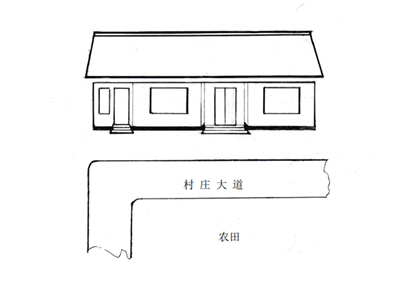
Figure 9: Schematic Diagram of Chen Biao's House (the original house is now in ruins).
The patient's residence, constructed in the spring of 1956, was erected on the foundation of his family's original three-and-a-half-room dwelling at the village entrance. At that time, two construction plans were proposed: the first involved building three auspicious rooms while retaining the half-room foundation, which risked future encroachment by others; the second scheme proposed constructing three-and-a-half rooms (effectively functioning as four rooms), which would create a malevolent dwelling. Critically, the western half of the entire structure faced direct shock from the village thoroughfare, subjecting the Qian Palace (representing the male household head in Feng Shui) to harmful energy, thereby doubling the malevolent influences. As a Daoist master, Chen Biao should have recognized the extreme dangers inherent in the second plan. However, the allure of personal gain overpowered his professional judgment, and he succumbed to wishful thinking, opting to fully utilize the foundation by erecting three-and-a-half rooms. In the winter of 1956, the family moved into the new residence. Within six months, on May 4, 1957, the homeowner sustained near-fatal injuries from a mountain explosion, a calamity directly linked to the ominous architectural configuration of his dwelling.
5. Analysis and Summary
Master Chen Biao and his disciples used the medical rehabilitation cultural techniques passed down from generation to generation to save their own lives. At the same time, in their past cultural treatment practices, they cured difficult and miscellaneous diseases such as "ALS" that were considered incurable by modern medicine (the investigation report will be described separately). Through this example, at least the following points can be explained.
5.1 Cultural technology can indeed cure diseases
In the thousands of years of medical history in China, tangible medical technology and intangible cultural treatment technology have never been separated, because solid disease and deficiency disease are inseparable pathological systems. Deficiency diseases do not require injections or medication. Patients can be cured with some psychotherapy and cultural measures [4]. The fact that Chen Biao suffered from severe traumatic brain injury and had no medical treatment or medicine from beginning to end, using only traditional cultural techniques and methods, and recovering in 21 days after waking up in 7 days, confirms that not only virtual diseases, but also some real diseases can be cured and recovered using non-medical cultural techniques.
5.2 Traditional cultural techniques for diagnosis and treatment are scientific
All things in the universe are interconnected and run synchronously. The state of development and change of anything is a part of the operation of the universe, from great to great, and from small to great. For the universe, all elements are endogenous, so who determines the operation of the universe? This decision-maker has not been found yet and there is no need to look for him. We only need to know that the operating state of the universe changes with time, and the variability of time determine the diversity of changes in the universe and its things.
Thus, the nature of an individual's illness can be diagnosed through temporal differentials to discern its condition, structure, etiology, progression, and therapeutic approaches. Modern medicine, however, assumes time is neutral and posits systemic isomorphism without qualitative distinctions, rendering it inadequate to the symptomatic disparities and structural complexities observed in patients. Traditional Chinese Medicine (TCM), including the The Yellow Emperor's Inner Canon, posits that time is non-neutral, embodying yin-yang dynamics and the Five Phases, structured through permutations of 10 Heavenly Stems and 12 Earthly Branches. Each moment represents a unique configuration among the 2.79934×10¹² possible combinations (606) derived from year (60-year cycle), month (60-month sequence), day (60-day division), hour (60-category system), minute (60-subdivision), and second (60-type) classifications. Spatiotemporal heteropoints of illness directly correlate with the structural pathology of the body. This implies that TCM, including its cultural therapeutic modalities, possesses hundreds of millions times greater capacity for pathological deconstruction than modern medicine.
Traditional cultural techniques for diagnosing and deconstructing pathological spatiotemporal heteropoints employ diverse methodologies, primarily utilizing the onset time of illness or patient consultation time to construct models through Qi Men Dun Jia and Da Liu Ren [5] systems. These practices involve establishing astrological frameworks, fixing positional palaces, arranging celestial plates, and forming symbolic configurations. Such approaches facilitate a fibrotic, networked, and digitized medical diagnostic system, precisely elucidating the dynamic forces, transmission pathways, and therapeutic trajectories of pathological states.
6. The principle of Traditional Cultural Techniques for Treating Diseases
6.1 Principles of traditional cultural technology therapy
The integration of Heaven, Earth, and Humanity manifests as cosmic phenomena in the celestial sphere and takes material form on Earth. Phenomena are manifestations of their essence. Manifestations sharing the same nature exhibit similar mechanisms and identical phenomena adhere to consistent inherent laws—this is due to quantum entanglement, where particles interact across distances, and objects with identical vibrational frequencies resonate upon encountering each other. Harmonization implies dynamic interaction; coupling denotes mutual responsiveness in unison; resonant frequencies at the same wavelength amplify energy exponentially. Traditional cultural healing techniques leverage these principles of mutual responsiveness, interactive engagement, and energy amplification to treat all manner of ailments.
6.2 Reasons for waking up in 7 days
Chen Biao's miraculous recovery from severe explosive brain trauma after seven days relied on the synergy of tangible and intangible interventions. From the moment of the explosion, his family, disciples, and villagers engaged in uninterrupted life-sustaining efforts. Concurrent with physical rescue, it was imperative to apply corresponding intangible interventions. By analyzing the Qi Men Dun Jia chart derived from the accident time (Figure 8), we observe the life essence positioned in the Kan Palace, where "Geng" (庚) combined with the guiding stem and "Yi" (乙) in the Dui Palace formed an image of hemp ropes. This corresponded to the "Tengshe" (Flying Serpent) constellation in the Dui Palace, symbolizing the ritual of carrying the patient around the main hall on a soft rope sling. The fusion of "Geng" and "Yi" produced "Xin" (辛-Metal), which in turn combined with "Bing" (丙) in the Qian Palace to generate "Shui" (水-Water), representing blood circulation that facilitated vascular and skeletal (Qian Metal) repair. By analogy, if a patient's life essence palace contains different heavenly stems rather than "Geng", alternative symbolic configurations are formulated through celestial stem harmonization principles.
6.3 The blessing of energy
The celestial healer configuration is arranged spatially across eight directions within the patient's bedroom, primarily to harness energy from the Earth and its gravitational field. The principles of spatial energy concentration, dispersion, transfer, and equilibrium derive from theGuizang Yi(a branch of the Book of Change). The patient occupies the central fifth palace, while the trigrams in the eight surrounding palaces interact with their opposite counterparts at the same hierarchical level: homogeneous trigrams remain static without generating energy, whereas heterogeneous trigrams engage dynamically to produce vital forces. Following this rule, the "Celestial Healer" trigrams ☱ are positioned in all eight cardinal and inter-cardinal directions. When measuring the functional values of bodily organs and microscopic tissues on a percentage scale, the Celestial Healer configuration ☱ achieves the optimal score of 87.5, signifying robust vitality and stability. The highest possible score, 100, corresponds to Longevity Enhancement ☰, though this represents the zenith before transitioning into decline. Other configurations yield the following scores: Vitality Qi ☶ at 75, Supportive Influence ☷ at 62.5, Prosperity Accumulation ☳ at 50, Harmonious Restraint ☴ at 37.5, Destructive Force ☵ at 25, and Cultural Elegance ☲ at 12.5. By positioning all eight palaces under the Celestial Healer configuration ☱, every spatial element surrounding the patient synergistically promotes balanced organ function, restores regenerative capacities, and facilitates complete physical recovery.
The Solar System Nine-Palace Eternal Lamp Configuration is implemented by constructing a Nine-Palace Grid model aligned with the patient’s lifelong astrological chart. Eternal oil lamps are lit at their Native Palace, Opposing Palace, and Generative Palace, with symbolic assemblages deployed to neutralize the Four Pernicious Influences (Figure 6). All entities possess dormant spiritual potential. Objects comprising these symbolic assemblages must be positioned during their peak energetic phase—a ritual activation known as kai guang. For instance, bovine-themed artifacts (statues, pendants) require placement on Chou Day during the Chou Hour (1:00–3:00 AM), while simian-themed objects demand placement on Shen Day during the Shen Hour (3:00–5:00 PM).
Concurrently, the Seven Stars Formation Layout is deployed for critical trauma cases where patients exhibit life-threatening energy depletion. Although terrestrial energy originates from the Sun—a microscopic celestial body within the cosmic continuum—this configuration harnesses seven stellar symbols to construct a cosmic energy matrix, facilitating profound energetic infusion into the patient.
6.4 Mechanisms of Traditional Cultural Healing Techniques
The spatial configurations of the Eight-Directional Celestial Healer, Nine Palaces Eternal Flame, and Seven Star Array primarily channel Earth's gravitational energy, solar system, and cosmic forces to the patient. However, these energies alone cannot guarantee targeted delivery to pathological sites. Beyond pharmaceutical drug-to-disease mechanisms, traditional Chinese cultural techniques employ "mind intent + qigong" to achieve "intent-to-cure" energy transmission. While pharmaceuticals destroy pathological cells, they simultaneously suppress normal cell regeneration and immune recovery. Ultimate healing depends on restoring the body's inherent immune vitality.
Traditional Chinese cultural techniques prioritize the organism and its immune system as the core healing agents. They harness Earth's gravitational field, solar system, and cosmic energies, then redistribute these forces to pathological loci. This process awakens and stimulates cellular memory and regenerative capacities, eliminates diseased cells, clears metabolic waste, and repairs immune deficiencies, culminating in full physiological recovery.
What constitutes the Earth's gravitational, solar system, and cosmic energies that drive recovery? The answer lies in dark matter permeating spatial dimensions. Though invisible to human eyes and modern instruments, dark matter's existence is corroborated by quantum entanglement principles and Chen Biao's recovery through non-pharmaceutical cultural techniques.
7. Traditional Cultural and Technological Treatment Principles
As Laozi stated that “humans follow the earth, the earth follows the heavens, the heavens follow the Dao, and the Dao follows nature” [6].
7.1 Believe in science, dispel superstition
What constitutes superstition? Blind adherence without rational understanding is superstition. Such irrational conformity was prevalent in ancient medical practices and remains common in modern healthcare. Chen Biao's catastrophic injury left him teetering between life and death, comatose and in a vegetative state. During the 21-day process of consciousness restoration and rehabilitation, every medical intervention—when evaluated by contemporary standards—was scientifically rigorous and precisely executed. Despite the proximity of a thriving Pestilence God Temple mere meters away, frequented by a steady stream of worshippers seeking health and disease relief, none of Chen's children, disciples, or fellow villagers burned a single piece of joss paper or lit a single incense stick for his recovery. All recognized that ritualistic veneration serves only as psychological comfort; when confronting life-threatening crises, such practices hold no efficacy. Chen Biao maintained that ghosts and gods do not inherently exist, nor do anthropomorphic deities. Divinities are human constructs—projections of aspirational desires. Since these entities are human creations, they ought to serve humanity; there is no need for ritualistic prostration. The correct approach is to command these deities, assigning them specific tasks. Figure 10 depicts the "Five Thunders Decree" talisman used by Daoist Master Chen Biao and his disciples during rituals, prominently inscribed with the admonition: "By Imperial Decree, all deities obey: compliance brings immeasurable merit, defiance incurs unforgivable sin."
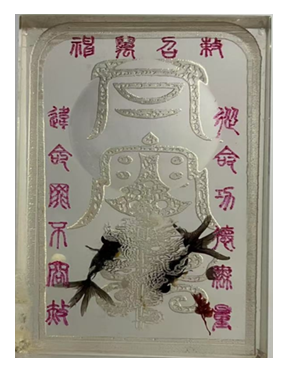
Figure 10: Mage Token.
Modern medical institutions are overly confident in the rehabilitation techniques for vegetative patients, and patients blindly follow without reason due to information asymmetry. Whenever patients suffer from traumatic brain injury such as traffic accidents, work-related injuries, collisions, etc., they will be quickly taken to the hospital. Doctors immediately place the patients in the ICU room, quietly lying on the treatment bed for procedural rescue. Hospitals violate the basic knowledge that patients with brain injuries are strictly prohibited from lying still. They treat patients lying still and provide closed intensive care. Like the flowing broken water pipe in Figure 4, once it is calmed down, a large amount of blood will overflow, forming serious cerebral thrombosis. Once a large amount of cerebral thrombosis forms, it is irreversible. Although hospitals continuously deliver anti thrombotic drugs to patients' blood vessels, it is of no help. Except for patients with mild brain injuries who can be awakened, most brain injury patients become permanent vegetative state. The hospital that everyone superstitions about modern medicine has become a manufacturing plant for vegetative patients.
7.2 Equilibrium matching criterion
During the process of awakening and rehabilitation, energy supplementation and dietary support for patients must be adapted to their absorption capacity. It should not be assumed that the patient's body is weak, and high-energy and high nutrient foods such as high protein supplements, large fish and meat, and chicken soup and meat stew should be immediately given to the patient.
During the 7-day awakening phase, it is not advisable to use the energy from Earth, the sun, and the universe, as their energy is enormous and far exceeds the patient's fragile absorption capacity. Strong support can cause blood vessels to rupture, which is not conducive to the repair and regeneration of cerebral blood vessels. There is no need to go far and seek help from relatives, disciples, friends, neighbors, and villagers around you. Support movements, calls, and sugar water feeding are the most suitable energy sources.
In the recovery after awakening, he began to use the law of Guicang Yi to import energy from the gravitational space of the Earth through the Eight Faced Heavenly Medicine. Carefully observe the patient's ability to absorb energy, and every 3-5 days, gradually introduce energy from the solar system and the universe through the perpetual light and seven star array.
7.3 Principle of precision, meticulousness, and accuracy
Chen Biao's recovery from a 21-day coma relied on accurate diagnosis, meticulous treatment methodologies, and precisely targeted therapies. All phenomena are interconnected with the cosmos; the state of cosmic operation mirrors human affairs. By utilizing the accident or disease onset time as a reference and applying the Qi Men Dun Jia (ancient Chinese divination and strategy system) principles to construct astrological models, we can deconstruct pathological conditions, analyze their structural components, identify influencing factors, predict evolutionary trends, and determine symbolic configuration therapies. Qi Men Dun Jia encapsulates millennia of empirical wisdom from statecraft, military strategy, political governance, economic development, and the daily lives of countless individuals, distilling these experiences into a systematic framework of laws, mechanisms, and norms. It reveals the inherent causal relationships governing universal phenomena, with its initial conditions, operational procedures, and anticipated outcomes verifiable through repeated, one-to-one validation. Its scientific validity has withstood historical scrutiny and remains trustworthy. Consequently, the principle of precision, meticulousness, and accuracy has thus become the medical standard for traditional cultural healing techniques.
Acknowledgements
We would like to thank the anonymous reviewers and editors of this journal.
Disclosure statement
No potential conflict of interest was reported by the authors.
Data Availability
Data sharing is not applicable to this article as no data were created or analyzed in this study.
References
- Yao CP, et al., Eds. The Yellow Emperor's Inner Canon. Zhonghua Book Company (2016).
- Chen K. An Analysis of Cultural Soft Power Operational Mechanisms and Pathways through the Paradigm of the Yi Jing. China Social Sciences Press (2016).
- Chen ML. Comprehensive Treatise on Qi Men Dun Jia. Shaanxi Normal University Press (2012).
- Gerald C. Casebook in Counseling and Psychotherapy. China Light Industry Press (2025).
- Guo ZL. Comprehensive Treatise on Liu Ren Divination. Hualing Press (2011).
- Ostwald HG. The Tao Te Ching: The Book of Meaning and Life. Arkana (1985).

 Impact Factor:
* 5.8
Impact Factor:
* 5.8
 Acceptance Rate:
71.20%
Acceptance Rate:
71.20%
 Time to first decision: 10.4 days
 Time from article received to acceptance:
2-3 weeks
Time from article received to acceptance:
2-3 weeks