
Paroxysmal Nocturnal Hemoglobinuria (PNH) in a Young Adult: A Diagnostic Challenge with Recurrent Abdominal Pain and Fatigue Mimicking Gastrointestinal Malignancy
Suvarthy Dey1, Abdullah Al Masud1, Md. Abdullah Al Jubaer2, Kazi Nusrat Zahan Bristy3, Chandrima Halder4, Tasnim Mostafa5, Sheikh Sophia Shaubnaum6, Sonia Sharmin7, Avijit Sarker Jyoti*,1,8
1Dream USMLE
2Enam Medical College, Bangladesh
3Khulna Medical College, Bangladesh
4Army Medical College, Chattogram, Bangladesh
5Green Life Medical College, Bangladesh
6Cumilla medical College, Bangladesh
7Shaheed Monsur Ali Medical College and Hospital, Bangladesh
8University of South Asia, Bangladesh
*Corresponding Author Avijit Sarker Jyoti, Dream USMLE, University of South Asia, Bangladesh
Received: 27 October 2025; Accepted: 06 November 2025; Published: 11 November 2025
Article Information
Citation: Suvarthy Dey, Abdullah Al Masud, Abdullah Al Jubaer, Kazi Nusrat Zahan Bristy, Chandrima Halder, Tasnim Mostafa, Sheikh Sophia Shaubnaum, Sonia Sarmin, Avijit Sarker Jyoti. Paroxysmal Nocturnal Hemoglobinuria (PNH) in a Young Adult: A Diagnostic Challenge with Recurrent Abdominal Pain and Fatigue Mimicking Gastrointestinal Malignancy. Fortune Journal of Health Sciences. 8 (2025): 1052-1056.
View / Download Pdf Share at FacebookAbstract
Paroxysmal nocturnal hemoglobinuria (PNH) is a rare, acquired blood disorder marked by destruction of red blood cells, low blood counts, and an increased risk of unusual blood clots. Symptoms vary but often include fatigue, dark urine from hemolysis, and clot-related complications. Diagnosis is made using flow cytometry and FLAER testing. Historically, care focused on supportive treatment and managing clots. However, recent advances, such as hematopoietic stem cell transplantation and complement inhibitors like eculizumab, have significantly improved outcomes. Here we report a 26-year-old male having the clinical features of recurrent abdominal pain, fatigue, and left lower leg swelling, which are clinically consistent with paroxysmal nocturnal hemoglobinuria (PNH). Differentials were ruled out by appropriate investigation, and the case was confirmed by flow cytometry. Having been diagnosed, our patient started treatment with the complement inhibitor eculizumab. Resolution of the abdominal pain and normalization of clinical parameters were noted within 3 weeks of treatment initiation.
Keywords
<p>Paroxysmal nocturnal hemoglobinuria (PNH); Hemolysis; Dark-Urine; Recurrent abdominal pain</p>
Article Details
Introduction:
Paroxysmal nocturnal hemoglobinuria (PNH) is a rare and progressive hematopoietic stem cell disorder in which hematopoietic cells are deficient in glycosylphosphatidylinositol (GPI), leading to a lack of the complement inhibitor proteins CD55 and CD59 on the surface of blood cells, which subsequently causes characteristic intravascular complement-mediated hemolysis, bone marrow failure, along with platelet activation and aggregation [1][2]. Its diverse clinical manifestations often pose significant diagnostic challenges, leading to delays in appropriate management. Previous reports suggest that the incidence of clinically significant diseases is in the range of 1 to 10 cases per million population, and it is chiefly a disease of adults, and the peak age of onset in the thirties [3]. The etiology and symptoms of PNH are similar in Asian and Western patients, but it has been proposed that the clinical course of the disease may differ between the ethnic groups [4]. It is evident that patients with PNH have an approximately 62-fold greater risk of thrombosis compared with the general population [5] and an estimated 10.2-fold increase in mortality risk [6]. The most common sites of thromboembolism are the liver, kidney, brain, and gut, and up to 44% of patients with PNH experience a clinically evident thrombosis [5,7]. Although PNH is caused by a mutation of a gene on the X chromosome, it affects males and females equally [8]. Here we report a case of a 26-year-old male who experienced extreme fatigue for 25 days, recurrent abdominal pain for 20 days, and left lower leg swelling for 2 days, accompanied by bi-cytopenia, anemia, jaundice, and thickened intestinal and colonic wall as well.
Case Presentation
Mr. X, a 24-year-old male who is normotensive, non-diabetic, and a non-smoking shopkeeper, was admitted to “Y” hospital on June 5, 2024, with complaints of fatigue for 25 days, recurrent abdominal pain for 20 days, and painful swelling of the left lower leg for 2 days. According to the statement of the patient, he was reasonably well 25 days ago, then developed fatigue that gradually worsened each day, persisted all day for the last 7 days, and caused tiredness with mild regular activities. This fatigue was not associated with palpitations, shortness of breath, or diurnal variation. He also complained of recurrent mid-abdominal pain that was intermittent, non-radiating, colicky in nature, and mild to moderate in severity for the past 20 days. There was no epigastric burning or features of malabsorption. The pain worsened after eating, accompanied by a feeling of early satiety, and was partially relieved by antispasmodics. Occasionally, the pain was associated with nausea and vomiting, which was non-projectile, non-foul-smelling, and not blood- or bile-stained. Upon further inquiry, the patient reported repeated episodes of jaundice over the last 1.5 years, characterized by yellow discoloration of the skin and sclera, along with dark urine. There were no itching, pale or dark stools, skin hyperpigmentation, tremors, or other neurological features. He stated that each episode was resolved spontaneously without definitive treatment. The most recent episode was about 2 months ago. The patient also reported occasional passage of sticky, offensive, black tarry stools, with a few episodes over the past 1.5 years, the last occurring about 3 months ago, but without any hematemesis. He also complained of painful swelling of the left lower leg for 2 days, which was associated with heaviness, localized pain, raised temperature, and skin discoloration. The pain was sudden in onset, mild to moderate, constant, throbbing in nature, with no reported aggravating or relieving factors. He mentioned that the pain began following IV cannulation performed through the affected leg for a few days.
Regarding past illnesses, he recalled a 15-day episode of low-grade, intermittent fever about a week ago, associated with chills and rigor, but no evening fever rises or night sweats. It subsided after taking antipyretics. The fever was associated with abdominal pain but no jaundice, altered bowel habits, urinary symptoms, or other systemic issues. Aside from this, he reported no history of TB or contact with known TB patients. He said none of his family members were suffering from a similar illness. There is no family history of jaundice, consanguinity, TB, bronchial asthma, ischemic heart disease, chronic liver disease, or chronic kidney disease. The patient has been married for 1.5 months. He denied any history of IV drug abuse, sharing needles, or tattooing. He also denied any sexual activity with multiple partners or unusual sexual practices like homosexuality. The patient comes from a middle socio-economic background, residing as a tenant in a four-storied building with good sanitation and access to safe drinking water. Upon inquiry, he stated that he had lived in Saudi Arabia for 8 years, where he was working in the family’s clothing business. Now, he has returned to his home country about 1.5 months ago permanently. He was immunized according to the EPI schedule and received three doses of the COVID-19 vaccine. During his admission to a private hospital, he was prescribed paracetamol, antispasmodics, anti-emetics, PPIs, injectable antibiotics (names unknown), and oral medications such as rifaximin 550 mg, mesalazine 800 mg, Silamyrin 500 mg, and ursodeoxycholic acid 300 mg, as per the clinician’s judgment for symptomatic improvement. Additionally, he also reported using herbal medications on two occasions in the last 6 months to manage symptoms of jaundice. On general examination, the patient was found ill-looking, with average body build and nutrition, moderately anemic and mildly icteric, with unilateral pitting edema of the left lower leg. Vitals were found normal (Pulse 92 b/m, BP 100/60 mmHg, Temp. 99 oF, R/R 15 breaths/min). On systemic examination, the abdomen was normal on inspection with mild tenderness over the umbilical region on palpation. There was no organomegaly, palpable mass, or lymph nodes, with no evidence of ascites. Bowel sound was present without hepatic bruit or splenic rub. Examination of other systems revealed no abnormality.
On local examination of the left lower limb, there was a tender swelling with signs of inflammation, and purplish-blue discoloration of the skin of the left lower leg. No visible muscle wasting or deformity was noted. The patient was advised to store his urine for the whole night, and it was found to be dark brown (Figure 1).
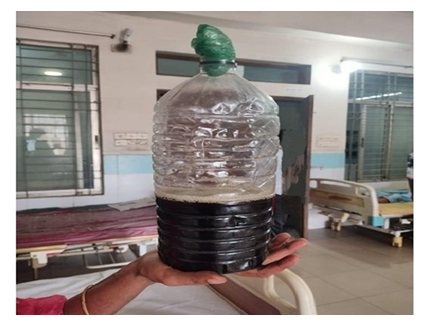
Figure 1: Collected Urine of the patient
Several investigations were carried out to establish the diagnosis. The patient demonstrated persistent anemia, with hemoglobin levels fluctuating between 4.6 g/dl and 9.2 g/dl during one month of evaluation (Table 1A). Peripheral blood film (PBF) revealed variable degrees of bi-cytopenia, characterized by normocytic normochromic anemia with associated thrombocytopenia and leukopenia. Clinical evidence of jaundice was supported by persistently elevated serum bilirubin levels ranging from 3.0 to 2.0 mg/dl over the course of the month, with a predominance of indirect hyperbilirubinemia (Table 1B).
|
CBC |
28.05.2024 |
30.05.24 |
06.06.24 |
27.06.24 |
|
Hb% |
4.6 |
8.3 |
10.7 |
9.2 |
|
ESR |
99 |
48 |
31 |
25 |
|
RBC |
1.68 |
2.88 |
3.64 |
3.19 |
|
WBC |
2200 |
4600 |
7000 |
4600 |
|
Neutrophil |
52% |
75% |
48% |
32% |
|
Lymphocyte |
31% |
22% |
48% |
62% |
|
Eosinophil |
5% |
1% |
1,93,000 |
1% |
|
Monocyte |
7% |
2% |
92.5 |
10% |
|
Basophil |
0% |
0% |
0% |
0% |
|
Platelets |
1,50,000 |
1,20,000 |
1,17,000 |
1,93,000 |
|
MCV |
82 |
84 |
90.4 |
92 |
|
MCH |
27.4 |
28.7 |
30 |
28.8 |
|
MCHC |
33.4 |
34.3 |
32.5 |
31.5 |
Table 1A: CBC report over 1 month.
|
Liver Function Test |
29.05.24 |
31.05.24 |
09.06.24 |
27.06.24 |
|
S. Bilirubin |
3.0 mg/dl |
1.9 mg/dl |
1.78 mg/dl |
2 mg/dl |
|
Direct |
0.6 mg/dl |
0.3 mg/dl |
0.43 mg/dl |
0.56 mg/dl |
|
Indirect |
2.4 mg/dl |
1.6 mg/dl |
1.35 mg/dl |
1.44 mg/dl |
|
SGPT |
29 U/l |
47 U/l |
33 U/l |
50 U/l |
|
SGOT |
76 U/l |
60 U/l |
63 U/l |
77 U/l |
|
ALP |
157 |
144 |
175 |
158 |
|
Prothrombin time |
15 sec |
14 sec |
14 sec |
13 sec |
|
Total protein |
5.5 g/dl |
5.3 g/dl |
5.1 g/dl |
5.6 g/dl |
|
S. albumin |
3.8 g/dl |
3.9 g/dl |
3.6 g/dl |
3.8 g/dl |
Table 1B: Biochemical reports over 1 month.
Additional investigations showed a serum LDH of 257U/L, reticulocyte counts of 1.2% (09.06.24) and 1.4% (27.06.24), ESR of 21mm/hour, and CRP of 18mg/dl. Procalcitonin was within normal limits at 0.2 ng/dl. D-dimer was elevated, with values of 2.2µg/ml (06.06.24) and 1.52µg/ml (09.06.24). These findings were suggestive of a hemolytic process with evidence of ineffective erythropoiesis and bone marrow suppression, accompanied by an inflammatory response. The PNH clone was confirmed by flow cytometry, demonstrating the absence of CD24, CD55, and CD59 on granulocytes and monocytes. Routine investigations, including blood glucose and renal function tests, were within normal limits. Urine analysis initially revealed 3-6 pus cells/PHF but normalized following seven days of hospital treatment. Microbiological and serological investigations, including repeated blood and urine cultures, Widal test, Weil-Felix test, Brucella serology, hepatitis panel, VDRL, and HIV testing, were all unremarkable. Imaging studies revealed additional organ involvement. Abdominal ultrasonography demonstrated features of acute hepatitis and a thickened gallbladder. Chest X-ray (P/A View) was normal. Contrast-enhanced CT of the abdomen showed mild hepatosplenomegaly and intermittent full-thickness thickening of the small intestinal wall with edema-like contrast enhancement. Upper GI endoscopy and colonoscopy were unremarkable. Doppler ultrasonography of the left lower limb revealed thrombophlebitis without evidence of deep vein thrombosis. Taken together, the patient was diagnosed with paroxysmal nocturnal hemoglobinuria (PNH) complicated by thrombophlebitis of the left lower leg. The clinical and laboratory findings highlight the hemolytic nature of the disease, associated marrow suppression, and thrombotic complications, and the patient was managed according to established treatment protocols for PNH and thrombophlebitis (Table 2).
Blood Test Results comparison
|
Anemia Type |
29.05.24 |
31.05.24 |
06.06.24 |
27.06.24 |
|
Anemia Type |
Normocytic normochromic with anisocytosis |
Normocytic normochromic with anisocytosis |
Normocytic normochromic |
Normocytic normochromic |
|
Other Deficiency 1 |
Leucopenia |
Thrombocytopenia |
Thrombocytopenia |
N/A |
|
Other Deficiency 2 |
N/A |
N/A |
N/A |
N/A |
Table 2: PBF analysis report for entire one month
Discussion
PNH is characterized by low blood cell counts (anemia, thrombocytopenia, neutropenia), which can be a sign of bone marrow disorders, including some types of cancer [2]. PNH involves excessive hemolysis, which can lead to elevated levels of lactate dehydrogenase (LDH) and other markers that may mimic some other conditions, including some types of cancer and recurrent intestinal ischemia [9]. In PNH, there is destruction of RBC, which releases Hb into blood bloodstream, it is filtered by the kidneys and broken which gives dark coloration of urine. On the contrary, In GI malignancy, the bile duct can be blocked by a malignant tumor, which may cause stagnation of bilirubin, ultimately causing dark urine [2]. PNH presenting as a diagnostic challenge with recurrent abdominal pain and fatigue, potentially mimicking gastrointestinal malignancy, is a well-documented issue due to the non-specific nature of PNH symptoms, particularly those related to thrombophlebitis without evidence of deep vein thrombosis. Our case details recurrent episodes of abdominal pain accompanied by fatigue associated with dark urine, which mimics an abdominal malignancy. Despite the diagnostic dilemma, having strong clinical suspicion, ruling out the malignancy, and establishing our diagnosis was the nobility of our case. PNH can manifest as abdominal pain by blocking the gut vessels with microthrombi [9]. The dark urine and recurrent abdominal pain increased the diagnostic dilemma of our case with GI malignancy, which was finally cleared by meticulous clinical examination and analysis of the investigation report. In our case, though there was severe recurrent abdominal pain, there was no evidence of thrombosis, evidenced by a normal D-dimer value. Possible explanation of recurrent abdominal pain in our PNH patient might be that excessive hemoglobin released into the bloodstream because of PNH, might lead to the consumption of endothelium-derived nitric oxide at a rate of 600-fold faster than normal [10]. The depletion of nitric oxide prevents the dilatation of smooth muscle fibers, causing recurrent abdominal pain and vasoconstriction with decreased blood flow [11,12]. The platelet activation and aggregation, endothelial swelling, and impaired fibrinolysis all might contribute to recurrent abdominal pain in PNH patients, other than gut vessel occlusion by microthrombi [13,14]. Previous studies demonstrated that those patients with PNH who experience abdominal pain have a 3.6-fold increased risk of thrombosis and a 2.2-fold risk of premature mortality [15]. In our case, LDH and haptoglobin values indicated the hemolytic anemia, and the clinical findings were consistent with the abdominal malignancy, but the PNH flow cytometry confirmed the final diagnosis, which is strengthened by a similar presentation from another published report [2]. It is evident that treatment with eculizumab reduces endothelial activation and markers of thrombin generation, exploring the association between an inflammatory, prothrombotic state and chronic complement activation in PNH patients [16]. In our case, following confirmation of PNH and the initiation of therapy with eculizumab, hemolysis was significantly reduced, the hemolysis-mediated abdominal pain resolved completely, and the patient no longer suffered from the severe fatigue that had previously restricted his activities. A similar consequence was observed in a previous study, which strengthens our case findings [2]. Having fatal consequences of PNH, this case emphasizes the importance of conducting a full clinical assessment of abdominal pain and acknowledging the abdominal pain as a risk factor for thrombotic events in patients with PNH.
Conclusion
Paroxysmal Nocturnal Hemoglobinuria (PNH) remains a rare but significant diagnostic challenge, particularly in young adults presenting with nonspecific symptoms like recurrent abdominal pain and fatigue. This case underscores the importance of maintaining a high index of suspicion for PNH in patients with such symptoms, especially when they mimic more common conditions like gastrointestinal malignancy. Early recognition and accurate diagnosis are critical in preventing life-threatening complications and ensuring timely, targeted therapy. This case highlights the need for a multidisciplinary approach and vigilance in evaluating atypical presentations to improve patient outcomes in rare hematological disorders like PNH.
References
- Gamstedt A, Holm-Glad J, Ohlson CG, et al. Hand abnormalities are strongly associated with the duration of diabetes mellitus. J Intern Med 234 (1993):189-193.
- Hino A, Yamashita Y, Yamaguchi M, et al. Recurrent and progressive abdominal pain and enteritis in a Japanese patient with paroxysmal nocturnal hemoglobinuria. Case Rep Hematol 2014 (2014): 310-750.
- Schrezenmeier H, Muus P, Socié G, et al. Baseline characteristics and disease burden in patients in the International Paroxysmal Nocturnal Hemoglobinuria Registry. Haematologica 99 (2014): 922-929.
- Nishimura JI, Kanakura Y, Ware RE, et al. Clinical Course and Flow Cytometric Analysis of Paroxysmal Nocturnal Hemoglobinuria in the United States and Japan. Medicine (Baltimore) [Internet] 83 (2004).
- McKeage K. Eculizumab. Drugs [Internet] 71 (2011): 2327-2345.
- Socié G, Mary JY, de Gramont A, et al. Paroxysmal nocturnal haemoglobinuria: long-term follow-up and prognostic factors. French Society of Haematology. Lancet (London, England) 348 (1996): 573-577.
- Lozano R, Naghavi M, Foreman K, et al. Global and regional mortality from 235 causes of death for 20 age groups in 1990 and 2010: a systematic analysis for the Global Burden of Disease Study 2010. Lancet (London, England) 380 (2012): 2095-2128.
- Seetharaman K, Lakshmanan S, Ramakrishnan SR MG. A case of classic paroxysmal nocturnal hemoglobinuria. Int J Case Rep Images 6 (2015): 370-375.
- Ueno M, Shimodate Y, Okada K, et al. Upper gastrointestinal ischemia as a rare complication of paroxysmal nocturnal hemoglobinuria. Clin case reports 9 (2021):506-510.
- Gladwin MT, Crawford JH, Patel RP. The biochemistry of nitric oxide, nitrite, and hemoglobin: role in blood flow regulation. Free Radic Biol Med [Internet] 36 (2004): 707-717.
- Meyers G, Weitz I, Lamy T, et al. Disease-Related Symptoms Reported across a Broad Population of Patients with Paroxysmal Nocturnal Hemoglobinuria. Blood 110 (2007): 36-83.
- Hillmen P, Muus P, Dührsen U, et al. Effect of the complement inhibitor eculizumab on thromboembolism in patients with paroxysmal nocturnal hemoglobinuria. Blood [Internet] 110 (2007): 4123-4128.
- Schäfer A, Wiesmann F, Neubauer S, et al. Rapid Regulation of Platelet Activation In Vivo by Nitric Oxide. Circulation [Internet] 109 (2004): 1819-1822.
- Weitz IC, Razavi P, Rochanda L, et al. Eculizumab therapy results in rapid and sustained decreases in markers of thrombin generation and inflammation in patients with PNH independent of its effects on hemolysis and microparticle formation. Thromb Res 130 (2012): 361-368.
- Lee JW, Jang JH, Lee JH, et al. High prevalence and mortality associated with thromboembolism in Asian patients with paroxysmal nocturnal hemoglobinuria (PNH). Haematol Hematol J 95 (2010): 205-206.
- Helley D, de Latour RP, Porcher R, et al. Evaluation of hemostasis and endothelial function in patients with paroxysmal nocturnal hemoglobinuria receiving eculizumab. Haematologica 95 (2010): 574.

 Impact Factor: * 6.2
 Acceptance Rate: 76.33%
  Time to first decision: 10.4 days
  Time from article received to acceptance: 2-3 weeks