
Study on Amniotic Band Syndrome at a Tertiary Level Hospital in Bangladesh
Md. Tarikul Islam1*, Md. Shawkat Ali2, Md. Asadullahil Galib2, Sahadeb Saha3, HM Zafor Sharif3, Sazid Rezwan4
1Associate Professor, Department of Plastic Surgery, Khulna Medical College, Khulna, Bangladesh
2Assistant Professor, Department of Surgery, Khulna Medical College, Khulna, Bangladesh
3Assistant Professor, Department of Paediatric Surgery, Khulna Medical College, Khulna, Bangladesh
4Assistant Registrar, Department of Plastic Surgery, Khulna Medical College, Khulna, Bangladesh
*Corresponding author: Dr. Md. Tarikul Islam, Associate Professor, Department of Plastic Surgery, Khulna Medical College, Bangladesh;
Received: 12 October 2021; Accepted: 19 October 2021; Published: 28 October 2021
Article Information
Citation: Md. Tarikul Islam, Md. Shawkat Ali, Md. Asadullahil Galib, Sahadeb Saha, HM Zafor Sharif, Sazid Rezwan. Study on Amniotic Band Syndrome at a Tertiary Level Hospital in Bangladesh. Journal of Surgery and Research 4 (2021): 594-601.
View / Download Pdf Share at FacebookAbstract
Background
The amniotic band syndrome is characterized by fibrous bands that encircle, strangle and even amputate parts of the limbs or digits of a fetus. Amniotic band syndrome can result from multiple etiologies. But a syndrome refers to patterns of congenital anomalies due to single etiology. That’s why amniotic band syndrome can be better called as a sequence, not a syndrome. It is a rare disorder and data on it is quite scanty in Bangladesh.
Aim of the study
The aim of this study was to evaluate the presentation, management & outcome of amniotic band syndrome.
Materials and Methods
This was a prospective, observational study which was conducted at the department of plastic surgery of Khulna Medical College, Khulna, Bangladesh during the period from January 2013 to December 2020.During the period of the study in total 18 patients with amniotic band syndrome were found and entered into the study. The patients were examined clinically and the findings were recorded in predesigned questioner format. In need basis X-ray and radiography were performed for the patients.
Results
Among affected 26 limbs of total 18 participants, in total 65 sites were involved. In 8 upper limbs, only fingers were affected and it was 26 in number. On the other hand, in 18 lower limbs: 4 thighs, 15 legs and 20 toes were found affected. Among all the participants, 8 Z-Plasty were performed in upper limbs and 27 Z-Plasty in lower limbs. On the other hand, release of acrosyndactyly was in needed in 4 upper limbs and in 2 lower limbs. The common complications of surgical procedures were hypertrophic scar (19.51%) especially where surgeries were done at late age. All scars were improved with scar reducing agent. Wound infection occurred in 02 (4.87%) cases that improved with regular dressing.
Conclusion
Amnio
Keywords
<p>Amniotic band syndrome, Amputations, Presentation, Acrosyndactyly</p>
Article Details
1. Introduction
The amniotic band syndrome also known as constriction ring syndrome or constriction band syndrome is a condition that results in distal limb deformation or malformation, lymphoedema, acrosyndactyly or amputation. The wide spectrum of abnormalities in amniotic band syndrome result from entrapment of various fetal body parts in a disrupted amnion that encircle, strangle and even amputate some parts of the fetus. Because of the randomness of entrapment, each of the affected individuals has the potential to get a unique deficit [1]. Most of the patients present with constriction rings, and if severe enough, may present with neurovascular impairment from direct compression or from compartment syndrome. In case of acrosyndactyly, digits that were at one point separated undergo refusion at the site of the band usually at the tip of digits [2]. Patterson classified the varieties are: 'simple constriction ring', constriction rings accompanied by the fusion of the distal parts, ranging from mild-gross acrosyndactyly, 'constriction rings accompanied by the deformity of distal part, with/without lymphoedema and intrauterine amputations. Amniotic band syndrome (ABS) is associated with 'vascular abnormalities' and the 'depth of the band' is a potential contributory factor [3]. The exact pathogenesis has long been debated, although several etiologies have been proposed. In 1965, Torpin proposed an exogenous or extrinsic theory. Till now, It is the most accepted theory. The other theory is an endogenous or intrinsic theory that proposes that a viral infection, teratogenic insult, or vascular insult during early embryogenesis affecting mesodermal tissue is responsible for amniotic band syndrome [4,5]. The vast majority of cases have a sporadic occurrence. A few examples of familial amniotic band syndrome have been reported primarily with monozygotic twin gestation [6]. The condition is not uncommon in Bangladesh but data on it is quite scanty and there is no known documented study on this topic. This study will help to know about the presentation, management and outcome of amniotic band syndrome.
2. Materials and Methods
This was a prospective, observational study which was conducted at the department of plastic surgery of Khulna Medical College, Khulna, Bangladesh during the period from January 2013 to December 2020. The patients were examined clinically and the findings were recorded in predesigned questioner format. In need basis X-ray and radiography were performed for the patients. During the period of the study in total 18 patients with amniotic band syndrome were found and entered into the study. The site of the amniotic band and any associated internal or external anomalies were recorded. Individual X-rays of the affected limbs in AP and lateral views were also taken.For all the patient pre-operative and post-operative photographs were taken. Surgical procedures performed included excision of constriction rings followed by multiple Z-plasty usually done before the first year of life or as early as possible in case of late presentations. Single stage operation was performed for single amniotic band and staged operations with interval of at least three months were performed for multiple amniotic bands. Postoperative follow up ranged from 3 to 12 months were ensured. Informed consents were taken from all the participants. Data processed, analyzed and disseminated by using MS office and SPSS version 26 programs as per need.
3. Results
In this study among total 18 study people, 61% (n=11) patients were male whereas the rest 39% (n=7) patients were female. So, male patients were dominating in number and the male-female ratio was 1.57:1 (Figure 1). The age at presentation ranged from 14 days to 13 years with a mean age of 16.4 months. Among all patients 26 limbs were found affected. Among affected 26 limbs of total 18 participants, in total 65 sites were involved. In 8 upper limbs, only fingers were affected and it was 26 in number. On the other hand, in 18 lower limbs: 4 thighs, 15 legs and 20 toes were found affected. Among 26 affected limbs, 3(three) were right upper limbs, 5(five) were left upper limbs, 10 (ten) were right lower limbs and 8(eight) were left lower limbs in (Table 1). In analyzing the main types of amniotic lesions, we observed constricted amniotic bands were found in 44, intrauterine amputations of digits were 7 and acrosyndactyly were 6 in number in (Table 2) (Figures 2,3). Family history was not found in any patient. In the upper limb only, the fingers were involved namely, the thumb, index finger, middle finger and, the ring finger. Among all the participants, 8 multiple Z-Plasty were performed in upper limbs and 27 multiple Z-Plasty in lower limbs (Table 3). On the other hand, release of acrosyndactyly was needed in 4 upper limbs and in 2 lower limbs. There were 06 cases of acrosyndactyly involving 04 hands and 02 feet. In the hand digital involvement in acrosyndactyly was as follows: 02 thumbs, 04 index fingers, 02 middle fingers and 02 ring fingers, while in the foot the involved digits were the great toe (1), second toe (1), third toe (1) and fourth toe (1). For total 18 patients with 26 affected limbs, in total 41 operations were performed. The procedures included excision of constriction ring and multiple Z-plasty in 35 (85.36%) bands and release of acrosyndactyly and skin grafting (14.64%) of defect in 04 hands involving 10 fingers and 02 feet involving 04 toes (Figure 4). Distal lymphoedema decreased significantly after surgery (Figure 5). The common complications of surgical procedures were hypertrophic scar (19.51%) especially where surgeries were done at late age. All scars were improved with scar reducing agent. Wound infection occurred in 02 (4.87%) cases that improved with regular dressing (Table 4).
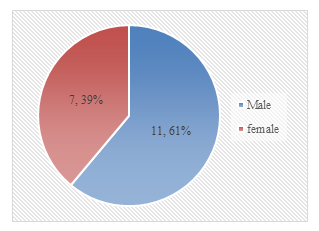
Figure 1: Gender distribution of participants (N=18)
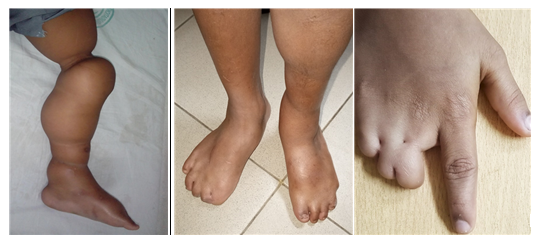
Figure 2: Examples of some ABS
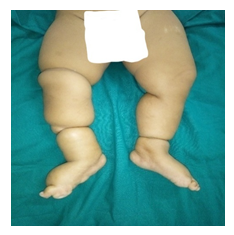
Figure 3: Amniotic band with lymphedema
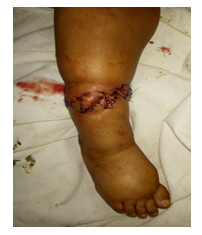
Figure 4: Excision of band & multiple Z plasty
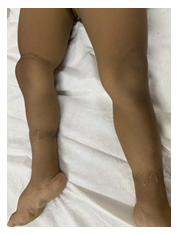
Figure 5: Lyphoedema decreased after operation
|
Upper Limb (n=8) |
Arm |
Forearm |
Fingers |
|
0 |
0 |
26 |
|
|
Lower Limb (n=18) |
Thigh |
Leg |
Toes |
|
4 |
15 |
20 |
Table 1: Distribution of sites of amniotic band (n=65)
|
Main types of lesions |
n |
% |
|
Constricted amniotic band |
44 |
77.19 |
|
Intrauterine amputations of digits |
7 |
12.28 |
|
Acro-syndactyly |
6 |
10.53 |
Table 2: Distribution of main types of lesions (n=57)
|
Limb type |
Z-Plasty |
Release of acro-syndactyly |
|
Upper limb |
8 |
4 |
|
Lower limb |
27 |
2 |
|
Total |
35 |
6 |
Table 3: Distribution of procedures performed (n=41)
|
Complication |
n |
% |
|
Wound infection |
2 |
4.87 |
|
Hypertrophic scar |
8 |
19.51 |
Table 4: Complication in total surgical procedures (n=41)
4. Discussion
The aim of this study was to evaluate the presentation management and outcome of amniotic band syndrome. Amniotic band syndrome occurs when a sequestrated part of the amniotic membrane encircles a limb or a digit as if a string were tightly tied around the part. The most frequent association of amniotic band syndrome with acrosyndactyly and congenital amputations usually led to such malformation's designation as an individual syndrome. Other terms used in the article include 'annular band', Streeter dysplasia, congenital constriction band syndrome, intrauterine or congenital amputations, fenestrated syndactyly, and acrosyndactyly. The incidence of ABS (amniotic band syndrome) varies from 1-in-1200 to 15,000 live births. There is not any known genetic predilection [5]. But prematurity (<37wks), low birth weight (<2500 gm), maternal drug exposure, maternal illness or trauma during pregnancy have been found to be associated with this syndrome [7]. The pathogenesis of this disorder has not yet been clear, but a number of theories attempt to suggest the etiology of amniotic band syndrome. The intrinsic theory is the earliest, and it states that these deformities were the result of a "defective germplasm", within the embryo. Streeter believed that the bands represented macerated sheets of epidermis and the residual of defective local tissue [8]. This theory is supported by localized areas of involvement within the limb and the presence of systemic and internal visceral anomalies. The second (extrinsic) theory was first described by Torpin. In this theory, the lesions are caused by the strangulating action of the mesodermic bands which occur due to an early rupture of the amnion. After rupturing, the amniotic sac stops growing normally and separates itself from the chorion. The amniotic fluid escapes, causing oligohydramnios. The fetus leaves the amniotic sac and lies next to the chorion. Multiple mesodermic bands issuing from the chorionic face of the amnion strangulate the fingers, the limbs and the cranium, inducing the typical lesions. Lack of familial incidence, the transverse disposition of the lesions, the exclusive limitation of the lesions to long digits/limbs, the delivery of amputated parts, the presence of engrafted amputated parts on different sites of the body and the absence of associated internal malformations, all support this theory [4]. The third (intrauterine trauma) theory postulated by Kino believed that congenital constrictions, amputations and acrosyndactyly are caused by intrauterine trauma during pregnancy, which disrupts blood supply to the marginal sinuses of the digital rays [9]. Prenatal diagnosis is difficult. Prenatal USG makes a suspicion that shows swelling of digits or limbs distal to the constriction [10]. After suspicion of amniotic band syndrome, accurate diagnosis can be made only by three-dimensional ultrasound and MRI [11]. In this study diagnosis were made after birth in all cases. Male were more affected than female in this study. There is no known racial predilection, and some studies showed male preponderance and equal sex affectation in other reports. Familial occurrence is rare, and it is believed that there is no genetic predisposition to this condition [2]. No familial relation was found in our study. Treatment mostly done after birth, but fetal surgery in utero has been tried due to advancement of prenatal radiological diagnosis [12]. The aim of surgical correction of constriction ring of amniotic band syndrome should be at preventing or alleviating distal lymphoedema, separation of an associated distal fusion and removal of an unsightly groove to improve cosmetic appearance. More severe cases causing circulatory compromise or cyanosis or severe lymphedema requires urgent treatment as early as possible. Less acute cases require one or two stages release starting from age of 3 months. Excision of constriction band and multiple Z-plasty or W-plasty is the preferred surgical technique. Z-plasty was effective and yielded a cosmetic good result in the present series. Some authors advocate two stage procedure of a single complete circumferential band where 50% band is released at a stage followed by second stage release of remaining 50% after 6 to 12 weeks to alleviate the potential concern of vascularity of distal part. In our study we did single stage Z plasty in all cases including complete circumferential band. In amniotic band there is always subcutaneous tissue deficiency and contour deformity is a problem after band excision and reconstruction with z or W plasty. To address this contour defect, Upton and Tan published a technique of subcutaneous adipose tissue advancement flap along with Z plasty. This technique has a superior cosmetic outcome [13]. In this study, contour deformity with unpleasant aesthetic results were found in some cases who had wide constriction ring with significant soft tissue loss. But functional outcome was very good in all cases. Functional and aesthetic outcome were good in cases operated at early ages and who had narrow band in this study. Amniotic band may be associated with other anomalies. In this study, among 18 patients only 3 (16.66%) cases had other known malformations and those were cleft lip and palate in 1 case, and isolated cleft palate in 2 cases. The number of associated anomalies in this report was lower than in other studies [14]. This was a single center study. Multicenter study should be done to know the exact situation in Bangladesh.
5.Conclusion
Amniotic band syndrome is not an uncommon condition in Bangladesh. It can cause serious morbidity in the newborn. The syndrome and its complications are treatable with good results. Treatment should be done as early as possible. Multiple Z plasty at early age brings a good outcome.
References
- Sentilhes L, Verspyck E, Patrier S, et al. Amniotic band syndrome: pathogenesis, prenatal diagnosis and neonatal management. J Gynecol Obstet Biol Reprod 32 (2003): 693-704.
- Kevin C Chung. Grabb and Smith’s Plastic Surgery. 8th edition, Philadelphia: Wolters Kluwer (2020): 911-912.
- Siemers, Frank. Complete circumferential congenital constriction of the trunk–operation procedures and results. German Medical Science 9 (2011).
- Torpin R. Amniochorionic mesoblastic fibrous strings and amniotic bands: Associated constricting fetal malformations or fetal death. Am J ObstetGynaecol 91 (1965): 65-75.
- Kawamura, Kenji, Kevin C Chung. Constriction band syndrome. Hand clinics 25 (2009): 257-264.
- Singh AP, Gorla SR. Amniotic Band Syndrome. In: Stat Pearls. Treasure Island (FL): Stat Pearls Publishing (2021).
- Foulkes G, Reinker K. Congenital constriction band syndrome: a seventy years experience. J Paediatr Orthop. 14 (1994): 242-248.
- Streeter GL. Focal deficiencies in fetal tissues and their relation to intra-uterine amputation. Contributions to Embryology, Carnegie Institution of Washington, Washington, DC, USA (1930).
- Kino Y. Clinical and experimental studies of the congenital constriction band syndrome, with an emphasis on its etiology. J Bone Joint Surg Am 57 (1975): 636-643.
- Tadmor OP, Kreisberg GA, Achiron R, et al. Limb amputation in amniotic band syndrome: serial ultrasonographic and Doppler observations. Ultrasound Obstet Gynecol 10 (1997): 312-315.
- Paldini D, Foglia S, Sglavo G, et al. Congenital constriction band syndrome of the upper arm: the role of three dimensional ultrasound in diagnosis, counseling and multidisciplinary consultation. UltasoundObstetGynecol 23 (2011): 520-522.
- Soldado F, Aguirre M, Peiró JL, et al. Fetoscopic release of extremity amniotic bands with risk of amputation. J PediatrOrthop 29 (2009): 290-293.
- Upton J, Tan C. Correction of constriction rings. J Hand Surj Am 16 (1991): 947-953.
- Rezai S, Faye J, Chadee A, et al. Amniotic Band Syndrome, Perinatal Hospice, and Palliative Care versus Active Management 12 (2016): 12-18.

 Impact Factor: * 4.2
 Acceptance Rate: 72.62%
  Time to first decision: 10.4 days
  Time from article received to acceptance: 2-3 weeks