
Environmental Discourse in Orthopedic Surgery Publications: Are we on par with other surgical subspecialties?
Olivia L Brand*1, Laura L Bellaire2, Gretchen Maughan-Egbert2, Daisy Lookinland3, Brittany N Garcia2
1Norton College of Medicine, SUNY Upstate Medical University, Syracuse, NY 13210, USA
2University of Utah Department of Orthopedics, Salt Lake City, UT 84108, USA
3Drexel University College of Medicine, Philadelphia, Pennsylvania, USA
*Corresponding Author: Olivia L Brand, Norton College of Medicine, SUNY Upstate Medical University, Syracuse, NY 13210, USA
Received: 07 January 2026; Accepted: 13 January 2026; Published: 29 January 2026
Article Information
Citation: Olivia L Brand, Laura L Bellaire, Gretchen Maughan-Egbert, Daisy Lookinland, Brittany N Garcia. Environmental Discourse in Orthopedic Surgery Publications: Are we on par with other surgical subspecialties?. Journal of Surgery and Research. 9 (2026): 19-25.
View / Download Pdf Share at FacebookAbstract
Aims: The U.S. health system produces 8%-10% of national greenhouse gas (GHG) emissions with operating rooms (ORs) being the most resourceintensive area [1,2]. Orthopedic surgical cases generate significant waste from disposable procedure packs, large instrument trays, and single use instruments [2]. This study evaluates publishing trends in the top five journals with the highest impact factor within nine surgical subspecialties related to environmental stewardship and planetary health, highlighting challenges and opportunities for future research.
Methods: Using the Journal of Citation Reports (JCR) Database, the five highest impact factor (IF) journals 9 surgical subspecialties were identified. Publications were reviewed over a 25-year period (1999-2024). Articles including environment and one other key word [environment, environmental impact, sustainability, carbon footprint, GHG emissions, greenhouse, climate, recycling and waste] underwent initial review. Articles were categorized and identified as primary research or review articles. Results were tabulated as n, percentages, and means.
Results: Of 4,263 articles reviewed, 131 were included in the final analysis. Publications on environmental impact and sustainability surged beginning in 2019. Anesthesiology had the greatest number of publications (47/131), plastic surgery had the least (2/131) and orthopedic surgery had the second fewest publications (4). Most publications (78/131 or 60%) were review articles. Average impact factor was highest in general surgery publications (14.1) and fifth highest in orthopedic surgery (5.1). Waste audits were the most common article classification (21%) followed closely by anesthetic gases (17%).
Conclusion: While orthopedic surgery is a high-volume specialty and generates significant waste and GHG emissions, it falls behind other subspecialties in publishing literature related to the environment. Public awareness of climate change has grown significantly, but the medical profession has not kept pace. The future of health systems requires a better understanding of how to protect planetary health to avoid future losses to patient and population health and well-being.
Keywords
Climate change, Environmental impact, Orthopedic surgery, Sustainability
Article Details
Clinical Relevance
- • A sharp surge in publications across surgical specialties seen in 2019 and continued growth through 2024 suggests an acute, widespread interest in the health impacts of our changing climate.
- • The COVID-19 pandemic and several other social and political events provide possible explanations for growing academic and clinical interests in environmental sustainability.
- • Orthopedic surgery publications have contributed little to ongoing discourse related to the impacts of our changing climate on patient health despite the specialty’s outsized contributions to waste generation, energy use, and GHG emissions.
Introduction
Publishing trends are an effective way to assess changes in medical practices over time; they provide insight into the direction of the field as a whole and within particular specialties. Within a specialty, these trends can indicate varying priorities amongst physicians and surgeons and highlight the unique culture of each area of practice. Readers have come to expect that high impact factor journals will reflect what each medical community deems significant and valuable for patient care. For example, the integration of artificial intelligence (AI) and machine learning in orthopedic surgery has drawn significant attention in recent years, with each of the top five impact factor journals in orthopedic surgery publishing multiple articles on the topic. This trend has promoted conversation and awareness of AI and its potential impacts on patients and practices amongst orthopedic surgeons [1-5].
A focus on environmental stewardship and sustainability efforts in high impact orthopedic journals has the potential to empower surgeons and other healthcare workers with greater awareness and knowledge of the topic. Knowledge and awareness are known to be key prerequisites to driving behavioral change on an individual and organizational level and therefore represent opportunities to inform and enable systemic change in hospitals around the world [6]. Such change is necessary and apropos, with climate change cited repeatedly as the biggest global health threat in the 21st century and the healthcare industry as a major contributor [7,8]. The global rise in greenhouse gas (GHG) emissions (such as methane and carbon dioxide) has led to a 0.76oC increase in average global temperatures, with projections indicating a further rise of 1.1 oC to 6.4 oC by 2100. Rising temperatures will impact global health by altering weather patterns, leading to more frequent extreme weather events, worsening air and water pollution, and shifting disease patterns, with infections like malaria, tick-borne encephalitis, and dengue fever expected to become increasingly widespread [7]. The impact of climate change will disproportionately impact vulnerable populations, with the loss of healthy life years predicted to be 500 times greater in African communities than those in Europe [7]. In Europe, it is estimated that health damages attributed to healthcare-related waste and emissions total 365,047 disability adjusted life years (DALYs). Such impacts clarify the role of American and European health systems in—ironically—losses to human health and wellbeing [9].
Operating rooms (ORs) are highly resource and waste intensive, generating 21%-30% of waste and utilizing three to six times more electricity per day than the rest of the hospital8. Hospital infrastructure, capital machinery, temperature control, air purification, water, anesthetic gases, pharmaceuticals, and reusable and disposable items have been identified as the primary contributors to the extensive carbon footprint of the operating room [8]. Orthopedic surgical cases generate significant waste due to widespread use of disposable procedure packs, high volume and case throughput, large and redundant instrument trays, growing reliance on single-use instruments and implants, power sources such as drill batteries, and inhaled anesthetic agents [10]. Orthopedic implants and associated technologies are increasingly specialized. Orthopedic supply chains are known to create negative social and environmental impacts related to exploitative mining of minerals including cobalt, human rights violations, and even child labor offenses [11]. Transportation of such materials from distant continents incurs additional environmental costs. Furthermore, orthopedic surgeons often work as subspecialists which requires patients to travel long distances, undergo advanced imaging studies, and attend physical or occupational therapy sessions in remote locations.
A study evaluating publishing trends on environmental sustainability in surgical subspecialties has not been performed. This study aims to evaluate publishing trends in the top five impact factor journals across nine major surgical subspecialties related to environmental sustainability and planetary health, with the understanding that current trends may reflect existing challenges and opportunities for further study and research. Efforts are needed to better understand and reconcile the environmental and related public health impacts of surgical care with the known benefits such specialists and procedures provide to individual patients. Greater attention and subsequent data-informed action is needed within orthopedics and other surgical specialties to promote resiliency and avoid long-term degradation of human and environmental health outcomes globally.
Methods
This study was exempt from formal Institutional Review Board review given it involved a secondary analysis of publicly available data and no patient data. The Journal of Citation Reports (JCR) Database was used to identify the five surgically focused journals with the highest impact factors for 9 major surgical subspecialties: Anesthesiology, Ear, Nose and Throat (ENT), General Surgery, Neurosurgery, Obstetrics and Gynecology (OBGYN), Ophthalmology, Orthopedic Surgery, Plastic Surgery, and Urology. Selected journals were then dichotomized into those published in North American and European journals. All publications from each journal were reviewed over a 25-year time period, from May 31, 1999 to May 31, 2024, using a pre-specified list of key words [environment, environmental impact, sustainability, carbon footprint, GHG emissions, greenhouse, climate, recycling and waste]. All articles that had environment and at least one other key word were included for initial review. “Sustainability” was not used as the primary key word due to its frequent utilization in describing non environmental metrics such as physician longevity.
Selected articles next underwent a title review. Articles with a clear lack of relevance based on title review as well as letters to the editor where excluded. Duplicates were removed. Articles that were published in more than one journal were excluded. Next, each article was categorized into one of eleven categories [waste audit, Life Cycle Analysis (LCA), secondary climate change effects, guide for sustainable interventions, travel, survey of physician opinions, survey of patient opinions, increase awareness, hand washing, anesthetic gases, and miscellaneous]. Articles were then classified as primary research or a review article focused on existing research. This resulted in the final cohort of included articles. In a similar approach, a literature review published in Anaesthesia examined the types of publications related to environmental sustainability in anesthesia journals by conducting a key term based literature search and categorizing the findings into original research, review, correspondence, or editorial articles [12].
The selected articles were sorted by date of publication. Assessment of both timeline and subspecialty was conducted. The number of articles per subspecialty was calculated, as was the mean impact of articles in each subspecialty using a weighted mean based on the journal factor for each article. Journal impact factor has been standardized and validated across the JCR database and was therefore selected as an appropriate measure of article impact across varied independent subspecialty journals [13]. The number of American and European journals were calculated for each subspecialty, as well as the number of primary and review articles. Primary articles were defined as original research conducted and analyzed by the authors which produced novel measurable data. Review articles were defined as summaries or new analyses of previously existing research [14]. Lastly, the proportion of articles in each topic category was tabulated.
Results
A total of 4,263 articles were identified using key words for initial review. After inclusion and exclusion criteria were applied, 131 articles were included in analysis (Figure 1). The breakdown of key word frequency for all included articles can be found in appendix 2. Table 1 presents the top five impact journals included for each of the nine subspecialties and their corresponding impact factor. Of the 45 included journals, 16 (36%) were published in European journals and 39 (64%) were published in the North American journals.
Assessment of publication volume over the study period revealed no studies until 2002, 3 years into the study period. The first article included was published in 2002, with another 11 articles appearing over the following decade at a rate of 1.1 per year. This rate continued until 2019, when there were 6 articles published. In the subsequent 5 years, the volume of publications continued to rise until the end of the study period, with 22 articles published between January 1st, 2024 and May 31st, 2024 (refer Figure 2). This trend was identified in both European and North American journal, with a higher number of publications seen in European journals as compared to North American journals.
|
Journal Name |
2022 JIF |
North American vs European |
|
Anesthesiology (filters: “anesthesiology” and “JCR Year 2022”) |
||
|
Anaesthesia |
10.7 |
E |
|
British Journal of Anaesthesia |
9.8 |
E |
|
Anesthesiology |
8.8 |
NA |
|
Pain |
7.4 |
NA |
|
Journal of Clinical Anesthesia |
6.7 |
NA |
|
ENT (filters: “otorhinolaryngology” and “JCR Year 2022”) |
||
|
JAMA Otolaryngology – Head and Neck Surgery |
7.8 |
NA |
|
Journal of Otolaryngology – Head and Neck Surgery |
3.4 |
NA |
|
Otolarynology – Head and Neck Surgery |
3.4 |
NA |
|
Head and Neck – Journal for the Sciences and Specialties of the Head and Neck |
2.9 |
NA |
|
European Archives of Oto-Rhino-Laryngology |
2.6 |
E |
|
General Surgery (filters: “surgery” and “JCR Year 2022”) |
||
|
JAMA Surgery |
16.9 |
NA |
|
International Journal of Surgery |
15.3 |
E |
|
Journal of Heart and Lung Transplantation |
8.9 |
NA |
|
Annals of Surgery |
10.1 |
NA |
|
British Journal of Surgery |
9.6 |
E |
|
Neurosurgery (filters: “surgery” and “JCR Year 2022” and includes “neuro”) |
||
|
Journal of Neurology Neurosurgery and Psychiatry |
11.1 |
E |
|
Journal of Neurointerventional Surgery |
4.9 |
E |
|
Neurosurgery |
4.8 |
NA |
|
Journal of Neurosurgery |
4.1 |
NA |
|
Neurosurgical Focus |
4.1 |
NA |
|
OBGYN (filters: “obstetrics and gynecology” and “JCR Year 2022”) |
||
|
American Journal of Obstetrics and Gynecology |
9.8 |
NA |
|
Obstetrics and Gynecology |
7.2 |
NA |
|
Obstetrical and Gynecological Survey |
6.2 |
NA |
|
BJOG – An International Journal of Obstetric and Gynecology |
5.8 |
E |
|
International Journal of Gynecology and Obstetrics |
3.8 |
E |
|
Ophthalmology (filters: “ophthalmology” and “JCR Year 2022”) |
||
|
Ophthalmology |
13.7 |
NA |
|
JAMA Ophthalmology |
8.1 |
NA |
|
American Journal of Ophthalmology |
4.2 |
NA |
|
Canadian Journal of Ophthalmology |
4.2 |
NA |
|
British Journal of Ophthalmology |
4.1 |
E |
|
General Orthopedics (filters: “orthopedics” and “JCR Year 2022”) |
||
|
Journal of Bone and Joint Surgery – American Volume |
5.3 |
NA |
|
The American Journal of Sports Medicine |
4.8 |
NA |
|
Arthroscopy – The Journal of Arthroscopic and Related Surgery |
4.7 |
NA |
|
Bone and Joint Journal |
4.6 |
E |
|
Bone and Joint Research |
4.6 |
E |
|
Plastic Surgery (filters: “surgery” and “JCR Year 2022” and contains “plastic”) |
||
|
Plastic and Reconstructive Surgery |
3.6 |
NA |
|
Journal of Plastic Reconstructive and Aesthetic Surgery |
2.7 |
E |
|
Aesthetic Plastic Surgery |
2.4 |
NA |
|
Clinics in Plastic Surgery |
2.3 |
NA |
|
Ophthalmic Plastic and Reconstructive Surgery |
2 |
NA |
|
Urology (filters: “urology and nephrology” and “JCR Year 2022”) |
||
|
European Urology |
23.4 |
E |
|
Nature Reviews Urology |
15.3 |
NA |
|
Journal of Urology |
8.2 |
NA |
|
European Urology Focus |
5.4 |
E |
|
European Urology Open Science |
3.2 |
E |
Table 1: Top five impact factor journals for each specialty.
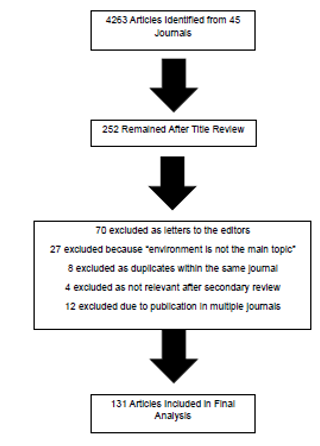
Figure 1: Exclusion criteria following initial title review.
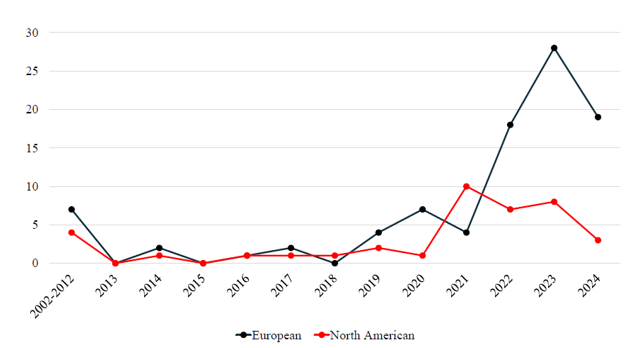
Figure 2: Comparison of publishing quantity overtime compared between north american and european journals
Number of publications per specialty varied widely, with Anesthesiology having the most (47) total publications, and plastic surgery having the least (2) publications during the study period. Orthopedic surgery had the second least of any evaluated specialty with 4 total publications in included journals over the 25-year span. OBGYN had the second most articles included with 25 publications. Overall, OBGYN published 20% (25/131) of articles and Anesthesiology published 31% (40/131) of the assessed articles. The majority of publications (78/131 or 60%) were classified as review articles with the remaining 40% (53/131) representing primary research (refer Figure 3).
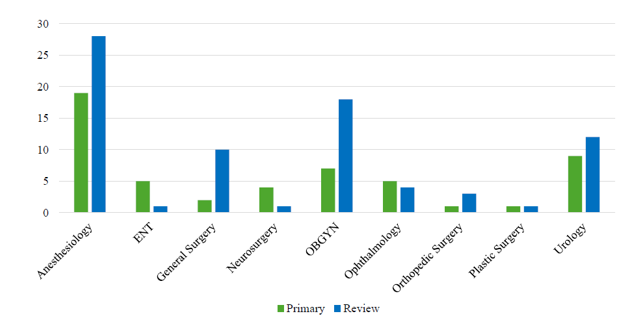
Figure 3: Number of articles published by subspecialty and article type
While anesthesiology had the highest number of publications, general surgery had the highest average impact of each publication, estimated from journal impact factors, with an impact of 14.1. Orthopedic surgery ranked 5th out of the nine specialties with an mean impact of 5.1 (Table 2). Plastic Surgery had the lowest mean impact of publication at 3.2. The most common classification of included articles, both original research and review articles, was waste audits which were 21% of all articles. The second most common article topic was anesthetic gases which consisted of 17% of the evaluated publications. The full breakdown of these classifications is presented in figure 4.
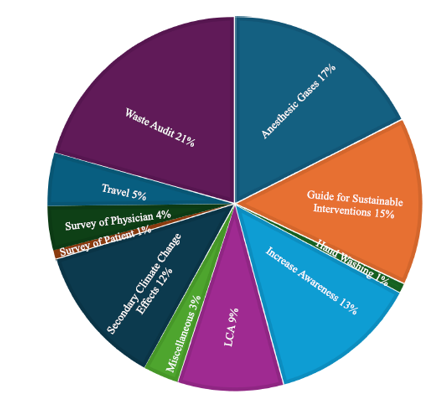
Figure 4: Percentage of articles in each topic classification.
|
Specialty |
Mean (SD) |
Range |
Number of Publications |
Avg Impact of Publications |
|
Anesthesiology |
8.7 (1.7) |
6.7, 10.7 |
47 |
10.2 (1.1) |
|
ENT |
4 (2.1) |
2.6, 7.8 |
6 |
3.4 (0) |
|
General |
12.2 (3.7) |
9.6, 16.9 |
12 |
14.1 (3) |
|
Neurosurgery |
5.8 (3) |
4.1, 11.1 |
5 |
4.7 (0.3) |
|
OBGYN |
6.6 (2.2) |
3.8, 9.8 |
25 |
5 (1.4) |
|
Ophthalmology |
6.9 (4.2) |
4.1, 13.7 |
9 |
6.7 (4.2) |
|
Orthopedic Surgery |
4.8 (0.3) |
4.6, 5.3 |
4 |
5.1 (0.4) |
|
Plastic Surgery |
2.6 (0.6) |
2, 3.6 |
2 |
3.2 (0.6) |
|
Urology |
11.1 (8.2) |
3.2, 23.4 |
21 |
11 (8.1) |
Table 2: Mean impact factors of the top five journals in each specialty, number of publications for each specialty, and the mean impact of publications.
Discussion
After decades of low publishing frequencies, environmental sustainability has seen a surge in the number and variety of publications since 2019 across high impact surgical journals. This rise parallels growing public awareness of climate change, suggesting the topic is gaining attention in the healthcare sector [15]. Such attention is not shared equally amongst surgical specialties. Despite making disproportionate contributions to waste generation, energy use, and GHG emissions, orthopedic surgery lags behind other surgical subspecialties. Compared to OBGYN, which published 25 articles during the study period in high impact journals, orthopedic surgery’s highest impact surgical journals have published only four articles on environmental sustainability in the last 25 years. Anesthesia has established itself as a leading specialty in healthcare sustainability research and published 40 articles in its’ top five journals over the last 25 years, significantly more than any other surgical specialty reviewed.
Orthopedic surgery’s highest impact factor journals showed few early contributions (2 articles proceeding 2010), followed by a decade gap, and another 2 publications after 2021. Many potential explanations exist for orthopedic surgery journals’ sparse contributions to this topic. Orthopedic surgery encompasses a high number of unique subspecialties and associated subspecialized journals. Several orthopedic subspecialties including hand/upper extremity and pediatrics have promoted and published on sustainability with greater frequency than the included high impact journals [16-22]. With increasing subspecialization, however, journals’ audiences narrow, and their calculated impact factor decreases. This perhaps represents a limitation of the current study, but it also reflects the distributed readership of orthopedic journals and an obstacle to wider knowledge sharing. Other potential explanations for orthopedic surgery’s low rate of sustainability-focused publications include a lack of awareness, lack of interest, perceived or real shortcomings in the quality of sustainability focused research submissions, resource availability for interventions, and a culture of lower prioritization of the topic within the specialty.
The type and quality of each article published should be considered as well as its quantity and ascribed impact. In this study, only 40% (53/131) of articles were deemed to represent primary investigative research publications. A literature review published in Anaesthesia produced similar statistics, determining that only 40% of sustainability publications presented original research [12]. Review articles are helpful to raise awareness and inform practice, but they rely on previously published findings rather than generating and sharing new data. A greater focus on producing primary data is needed to allow clinical practice to implement data-driven changes.
Several social and political events may have contributed to the acute surge and subsequent escalation in sustainability-focused surgical publications observed between 2019 and 2024. The U.S. decision to withdraw from the Paris Agreement in 2017 prompted select organizations to reaffirm their commitment to its goals and others to weaken their commitments [23]. The European Green Deal, introduced in December 2019 to achieve net-zero emissions in Europe by 2050, may have played a similar role [24]. Following Brexit, the UK no longer needed to follow European Union (EU) regulations. Despite this, they reaffirmed efforts such as the Net Zero by 2050 policy and created new ones, such as the Environment Act of 2020 [25]. The commitment of the UK to continue to support global environmental initiatives after Brexit speaks to the importance that is placed on this topic in select geographies. The surge in 2019 could also be attributable to the COVID-19 pandemic, which powerfully demonstrated the frightening and morbid consequences of widespread transmission of zoonotic illnesses on the global stage [26,27].
Most journals (64% (29/45)) included in this study are North American, and the remainder are European (36% (16/45)). Despite the predominance of North American journals, 70% (92/131) of included articles were published in European journals. Additionally, there has been a significant rise in articles published in European journals since 2021, while publications in North American journals have declined (refer Figure 2). This publishing trend may serve as a reflection of shifting priorities between North America and other regions of the world. While analyzing the publishing trends outlined here in light of ongoing geopolitical and socioeconomic trends provides cultural relevance to findings, such correlations are likely to be indirect and are not tested by this study’s methodology. Publishing trends may also reflect the underlying political climate, funding opportunities, or shifting priorities of researchers and journals.
This study offers insights into publishing trends on sustainability amongst surgical specialties, but not without limitations. To manage the scope of the review and allow for evaluation across a variety of specialties, only the top five impact factor journals from each surgical specialty were included. Our search criteria required the inclusion of the word “environment” in addition to one several other pre-specified key words. While necessary to limit the results and maximize relevance, such exclusion criteria undoubtedly led to the exclusion of both irrelevant and relevant articles. In the future, a more comprehensive review which includes all journals within a specialty and correlates the number of sustainability-focused articles to the journal’s impact factor could provide insight into how sustainability is valued by leading journals within each field. It must be acknowledged that research and work is being done across the globe in healthcare sustainability and planetary stewardship that is not captured by this assessment.
Public awareness of environmental degradation and climate change has increased over the past 25 years, but the medical profession has not kept pace in acknowledging its contributions to and opportunities to mitigate this challenge [15]. Many physicians are personally concerned about climate change, but the lack of published guidance on how to integrate sustainability into clinical practice creates a barrier to action [28].
The findings outlined in this study suggest potential solutions to this obstacle. National societies, such as the American Academy of Orthopedic Surgeons (AAOS), have the platform to encourage greater inquiry through publication categories, presentations at national meetings, and research awards. Surgical specialty journals might create and publicize new submission categories (or modification of existing categories) to encourage exploration of the public and patient health impacts of environmental degradation. In orthopedic journals, such studies might focus on how such impacts pertain to short- and long-term musculoskeletal health and physical function. Issuing calls for abstracts related to sustainability including mitigation and adaptation efforts would also promote research in this area. Public health journals including Frontiers in Public Health provide a model for integrating a focus on sustainability with clinical care by including dedicated subsections on sustainability within each issue [29].
Academic medical journals remain a powerful force in spreading information, driving innovation, and educating physicians, trainees, and the public. Envisioning and designing the health systems, care delivery, and procedures of the future necessitates a greater understanding of how we might deliver surgical care that promotes the health of our patients and the planet that sustains us. Such questions can and should inspire ongoing research and drive publishing trends.
Declaration of interest
We declare that we have no financial interests or personal relationships that could be perceived as a conflict of interest regarding the subject matter of this research project.
References
- Huffman N, Pasqualini I, Khan ST, et al. Enabling personalized medicine in orthopaedic surgery through artificial intelligence: a critical analysis review. JBJS Rev 12 (2024): e23.00232.
- Ramkumar PN, Luu BC, Haeberle HS, et al. Sports medicine and artificial intelligence: a primer. Am J Sports Med 50 (2022): 1166-1174.
- Guerra GA, Hofmann HL, Le JL, et al. ChatGPT, Bard, and Bing Chat are large language processing models that answered orthopaedic in-training examination questions with similar accuracy to first-year orthopaedic surgery residents. Arthroscopy 41 (2025): 557-562.
- Prijs J, Liao Z, Ashkani-Esfahani S, et al. Artificial intelligence and computer vision in orthopaedic trauma: the why, what, and how. Bone Joint J 104-B (2022): 911-914.
- Lisacek-Kiosoglous AB, Powling AS, Fontalis A, et al. Artificial intelligence in orthopaedic surgery. Bone Joint Res 12 (2023): 447-454.
- Hiatt JM. ADKAR: A Model for Change in Business, Government and Our Community. Prosci Learning Center Publications (2006).
- Costello A, Abbas M, Allen A, et al. Managing the health effects of climate change: the Lancet and University College London Institute for Global Health Commission. Lancet 373 (2009): 1693-1733.
- Rizan C, Steinbach I, Nicholson R, et al. The carbon footprint of surgical operations: a systematic review. Ann Surg 272 (2020): 986-995.
- Chen-Xu J, Corda MO, Varga O, et al. Health burden and costs attributable to the carbon footprint of the health sector in the European Union. Environ Int 190 (2024): 108828.
- Smith JT, Boakye LAT, Ferrone ML, et al. Environmental sustainability in the orthopaedic operating room. J Am Acad Orthop Surg 30 (2022): 1039-1045.
- Williams JT, Ranganathan S, Montgomery MP. Toxicity in the supply chain: cobalt, orthopaedics, and the Democratic Republic of the Congo. Lancet Planet Health 5 (2021): e327–e328.
- Fabus MS, Kudsk-Iversen S. Trends and health equity in environmental sustainability publications in major anaesthesia journals. Anaesthesia 80 (2025): 115-116.
- Mayo Clinic Libraries. Effective database searching (2025).
- State University of New York at Oswego. Library guide: research questions and hypotheses (2025).
- Milfont TL, Zubielevitch E, Milojev P, et al. Ten-year panel data confirm generation gap but climate beliefs increase at similar rates across ages. Nat Commun 12 (2021): 4038.
- Grothaus O, Jorgensen A, Maughan G, et al. Carbon footprint of open carpal tunnel release surgery performed in the procedure room versus operating room setting. J Hand Surg Am 49 (2024): 576-582.
- Albert MG, Rothkopf DM. Operating room waste reduction in plastic and hand surgery. Plast Surg (Oakv) 23 (2015): 235-238.
- Baxter NB, Yoon AP, Chung KC. Variability in the use of disposable surgical supplies: a surgeon survey and life cycle analysis. J Hand Surg Am 46 (2021): 1071-1078.
- Bravo D, Thiel C, Bello R, et al. What a waste! The impact of unused surgical supplies in hand surgery and how we can improve. Hand (N Y) 18 (2023): 1215-1221.
- Thiel CL, Fiorin Carvalho R, Hess L, et al. Minimal custom pack design and wide-awake hand surgery: reducing waste and spending in the orthopaedic operating room. Hand (N Y). 14 (2019): 271-276.
- Van Demark RE Jr, Smith VJS, Fiegen A. Lean and green hand surgery. J Hand Surg Am 43 (2018): 179-181.
- Bellaire LL, Garcia BN. Current concept review: who owns the waste created in orthopaedic surgery? J Pediatr Orthop Soc North Am. (2024).
- McGrath M. Climate change: US formally withdraws from Paris Agreement. BBC News (2020).
- European Commission. A European Green Deal (2024).
- Environmental Change Institute. Brexit: implications for energy and climate change (2021).
- Zyoud S, Zyoud AH. Mapping and visualizing global knowledge on planetary health in the climate change context: a comprehensive exploration of insights, trends, and research priorities. Discov Sustain 5 (2024): 275.
- Van de Vuurst P, Escobar LE. Climate change and infectious disease: a review of evidence and research trends. Infect Dis Poverty 12 (2023): 51.
- Lookinland D, Bellaire L, Garcia B, et al. Surgeons across the United States and Europe identify common perceptions, challenges, and aspirations surrounding environmental sustainability efforts in pediatric orthopaedic surgery. Presented at: Drexel University College of Medicine Discovery Day (2024).
- Frontiers in Public Health. Environmental health and exposome (2025).

 Impact Factor: * 4.2
 Acceptance Rate: 72.62%
  Time to first decision: 10.4 days
  Time from article received to acceptance: 2-3 weeks